Can a Master’s in Animal Science Help You Prepare for Veterinary School?
Preparing for veterinary school requires more than just meeting prerequisites. For students looking to strengthen their profile before applying to a Doctor of Veterinary Medicine (DVM) program, a master’s degree in animal-focused science can be a strategic next step.
Becoming a veterinarian is one of those goals that tends to stick. For many students, it starts early with a love of animals, then grows into something more specific: the desire to treat them, protect them and serve families and communities when it matters most.
The veterinary field is projected to grow 10% through 2034, reflecting ongoing demand for animal healthcare professionals. 1 At the same time, workforce discussions across the profession continue to focus on access to care and capacity challenges in some areas of veterinary medicine.
That context is why strengthening your academic preparation matters. If veterinary school is your goal, you may be looking for ways to enhance your science background, demonstrate academic growth or deepen your understanding of animal biology. A master’s degree in animal science or domestic animal biology can help you do exactly that.
A master’s in animal science can prepare you well for veterinary school, and it also builds career options in animal health, research, production, and conservation along the way. This guide explains how animal science supports vet school readiness, what you still need beyond coursework, and how this degree can keep multiple doors open as your goals evolve.
Considering an animal science master’s degree? Explore an Online Master of Agriculture in Domestic Animal Biology at NMSU Global Campus.

How Graduate-Level Animal Science Study Supports Vet School Readiness
If you are preparing to apply to veterinary school, your academic record needs to demonstrate two things clearly: strong performance in required science coursework and readiness for the rigor of professional study. For some students, a master’s degree becomes a way to strengthen both areas.
Start With What Vet Schools Actually Look For
A lot of students assume they need a “pre-vet” major. In reality, veterinary schools care more about whether you completed prerequisite coursework and performed well in it than the title of your major.
The American Veterinary Medical Association notes that completing prerequisites is essential and that requirements vary by school, so students should review each program’s admissions criteria. 2 That flexibility is good news if you want a degree that supports veterinary school and still keeps other animal-focused careers on the table.
Build a Science Foundation That Matches Vet School Prereqs
Animal science programs typically include coursework that closely aligns with common veterinary school prerequisites, including biology and chemistry, as well as upper-level animal-focused sciences.
Here’s where animal science really helps: it ties those sciences back to living systems. Instead of learning concepts in isolation, you are learning how they show up in nutrition, reproduction, genetics, physiology, and health. That makes the material stick, and it gives you context that many vet school applicants work hard to build through experience outside the classroom.
While veterinary schools require specific undergraduate prerequisites, a master’s degree can strengthen your academic profile, reinforce scientific knowledge, and demonstrate your ability to succeed in advanced coursework.
Connect Coursework to the Real-World Work You Want to Do
Vet schools want students who understand what veterinary medicine looks like in real life. Animal science can support that readiness by providing the language and frameworks you will use in clinical settings later.
When you talk about nutrition, disease prevention, growth, reproduction, herd health, or animal welfare, you are developing the ability to think like a practitioner and communicate like one. That carries into shadowing experiences, interviews, and applications, where being able to connect what you learned to what you saw in practice matters.
Consider a Master’s Degree If You Want Deeper Animal Biology Expertise
Not every student’s path is a straight line from undergraduate degree to veterinary school. Some students take time to strengthen their academic profile, gain more experience or decide which direction within animal health fits best. That is where a graduate program can be a smart next step.
For students who want advanced training in animal-focused science, NMSU Global Campus offers the Master of Agriculture in Domestic Animal Biology. This 100% online degree program provides graduate-level study in areas such as animal nutrition and physiology. That type of learning is valuable if you want to build deeper technical expertise for animal science careers, strengthen your academic background, or expand your options in research, production, and related animal health fields while you plan your next steps.
Other Career Pathways for Animal Science Graduates
While many students pursue veterinary school, graduate study in animal science can also support a range of career pathways in research, agriculture, wildlife, and applied animal health.
One of the advantages of an advanced degree is that it keeps multiple doors open. If your interests shift, your timeline changes, or you discover you love a different side of animal health and science, you can still build a career that stays close to the work you care about.
Next up, here are several strong pathways animal science graduates often pursue.
Support Wildlife Conservation and Research
If you are drawn to wildlife, ecosystems, and field-based work, animal science can translate well into conservation and research careers. Zoologists and wildlife biologists study animals and conduct research in controlled or natural settings. Depending on the role, that might include tracking animal populations, analyzing habitat conditions, supporting rehabilitation efforts, or helping design conservation programs.
These professionals may work for government agencies, research institutions, nonprofit conservation organizations, and wildlife sanctuaries. The median annual wage for zoologists and wildlife biologists is $72,860. 3
Work in Agricultural and Food Science Research
Some NMSU Global Campus graduates find they love the science side of animal systems and want to focus on research and innovation. Animal scientists may conduct research related to genetics, nutrition, reproduction, and development to improve productivity, health outcomes, and sustainability in animal agriculture. This can be a great fit if you enjoy asking questions, analyzing data, and testing solutions with real-world impact.
Agricultural and food scientists earned a median annual wage of $78,770, and the field is projected to grow 6% from 2024 to 2034. 4
Build a Hands-on Career in Clinical Animal Care
Not everyone who loves animal health wants to pursue full veterinary licensure. Some students prefer a more direct, hands-on clinical role. Veterinary technicians can be part of that path, supporting veterinarians with patient care, diagnostics, and clinical procedures. This option can appeal to students who want to work closely with animals in a healthcare setting, often leading to licensure more quickly than a Doctor of Veterinary Medicine.
Explore Careers in Industry and Applied Animal Health
Animal science can also lead to careers in the private sector that blend science, business, and animal care. Depending on your interests, this may include:
- Animal nutrition consulting
- Farm and ranch management
- Pharmaceutical development
- Biotechnology and animal health products
These roles are often a good fit for graduates who enjoy problem-solving and want work that connects animal health to operations, product development or innovation.
Serve Communities Through Public Agencies and Extension Work
Animal science graduates can also find meaningful careers in the public sector, particularly in roles tied to agriculture, food safety and regulation. Federal, state and local agencies hire professionals for areas such as food safety inspection and regulatory compliance. Some roles connect closely to agricultural extension and outreach, where the focus is on helping producers and communities apply research-based practices.
Explore Online Graduate Degrees in Agriculture from
New Mexico State University
NMSU Global Campus offers these agricultural master’s degrees with 100% online coursework:
Become a Licensed Veterinarian
For students who stay committed to the veterinary path, the long-term outlook remains strong. The median annual wage for veterinarians is $118,003. 5 Vet school is competitive, but for many students it is worth the effort because the work is impactful, varied, and deeply tied to animal and community health.
Gain Veterinary Experience While Earning a Master’s Degree
At the graduate level, experience and academic momentum work together. Vet school applicants are expected to show meaningful animal exposure and clear readiness for rigorous, professional-level study. A master’s degree in animal science or domestic animal biology is often pursued alongside intentional, hands-on experience that shows maturity, commitment, and clarity of purpose.
For applicants who need to improve their GPA trends, demonstrate recent academic success, or gain more specialized experience, a master’s degree can also serve as a meaningful academic reset.
Discover where a master’s in animal science can take your career, working with animals and beyond. 6
Use Graduate Study to Deepen Practical Experience
Many students pursue a master’s degree to strengthen their veterinary school application by building advanced science credibility and experience beyond entry-level exposure. Graduate students often seek roles that allow for more responsibility and specialization, such as:
- Research assistantships in animal biology, nutrition, reproduction or health
- Advanced internships with veterinary clinics, livestock operations or animal health organization
- Positions in research laboratories focused on animal systems, disease or applied physiology
These experiences help you move from observation into participation. You’re not just collecting hours; you’re developing the analytical and clinical mindset vet schools look for — connecting evidence, animal systems, and real-world decision-making.
Gain Meaningful Veterinary and Animal Health Exposure
Direct veterinary experience remains one of the strongest signals in a competitive application. Shadowing or working alongside a licensed veterinarian allows you to see the pace, pressure and responsibility of the profession. At the graduate level, this experience should become more focused and intentional, reflecting clear goals and increasing responsibility.
You may spend time in specific practice areas, assist with research-informed care, or support animal health programs tied to agriculture or production systems. These experiences help clarify your direction while building relationships with professionals who can later support you with detailed, credible letters of recommendation.
Demonstrate Breadth and Commitment Across Settings
Veterinary schools value applicants who understand animal health across different contexts. Working with animals in agricultural settings, companion animal facilities, research environments, or wildlife programs shows versatility and adaptability. It also demonstrates that your interest in veterinary medicine is informed by real exposure, not assumptions.
Graduate study gives you the flexibility to pursue these experiences while strengthening your academic profile. Rather than choosing between coursework and hands-on learning, many students use their master’s program to do both at the same time.
How a Master’s Program Supports This Path
The Master of Agriculture in Domestic Animal Biology at NMSU Global Campus is designed for students who want to sharpen their scientific expertise without pausing their progress. This 100% online program pairs graduate-level study with the flexibility to stay active in research, work, or clinical environments in your community.
Graduate coursework strengthens your understanding of animal biology, reproduction, nutrition, and health at a level that aligns well with veterinary school expectations. At the same time, the flexibility of online learning makes it possible to pursue meaningful hands-on experience that strengthens your application and clarifies your long-term goals.
Keep Moving Toward Veterinary School with a Master’s Degree Online
If veterinary school is your long-term goal, strengthening your academic profile and deepening your understanding of animal biology can make a meaningful difference in a competitive admissions process. A master’s degree allows you to demonstrate advanced scientific capability while continuing to build real-world experience in animal health settings.
The Master of Agriculture in Domestic Animal Biology from NMSU Global Campus is designed for students who want graduate-level study in nutrition, reproduction, physiology, and applied animal science without stepping away from work or clinical experience.
References
1.”Occupational Outlook Handbook: Veterinarians.” U.S. Bureau of Labor Statistics, 5 January 2026.
2. “Veterinary school admission 101.” American Veterinary Medical Association, accessed 23 November 2025.
3. “Occupational Outlook Handbook: Zoologist and Wildlife Biologists.” U.S. Bureau of Labor Statistics, last updated 28 August 2025.
4. “Occupational Outlook Handbook: Agricultural and Food Scientists.” U.S. Bureau of Labor Statistics, last updated 28 August 2025.
5. “Veterinarian Salary in the United States.” Salary.com, 1 February 2026.
6. “Where a Master’s in Animal Science Can Take Your Career.” NMSU Global Campus, 21 January 2026.
About New Mexico State University Global Campus
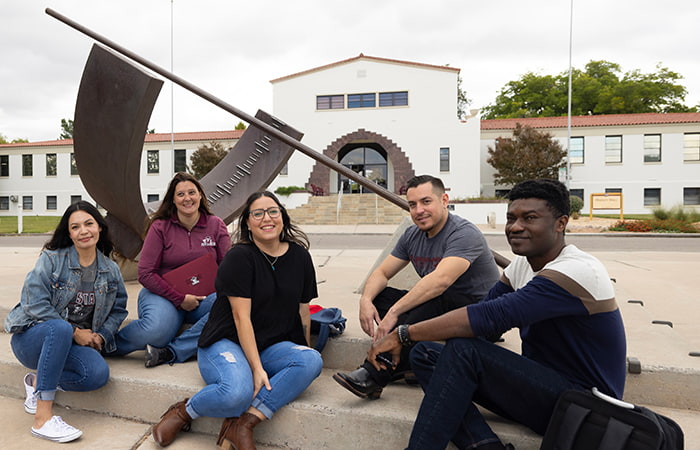
At NMSU Global Campus, our mission is to help prepare the next generation of leaders. We focus on offering high-quality education that spans a multitude of disciplines and career pathways. Whether you’re seeking a degree or certification in teaching, science, engineering, healthcare, business, or others, we provide exciting opportunities that can help shape your future.
New Mexico State University is accredited by the Higher Learning Commission, an institutional accreditation agency recognized by the U.S. Department of Education. Specialized accreditation from other accrediting agencies is also granted for some programs. We offer flexible, career-focused 100% online courses and degree options in New Mexico, across the nation, and around the globe. Start your journey with our accessible and affordable degree options.
Get Your Personalized Program Info
Recent Agriculture and Consumer Sciences Posts

Emerging Careers Shaping the Future of Food Science and Technology
The next big shift in food science and technology doesn’t always start in a boardroom. Sometimes it starts with a...
Read More about Emerging Careers Shaping the Future of Food Science and Technology
Where a Master’s in Animal Science Can Take Your Career
Working with animals often means learning on the job. But an advanced degree in animal science helps you build deeper...
Read More about Where a Master’s in Animal Science Can Take Your Career
Hospitality or Business Administration: How to Choose the Right Management Degree
Two degrees. Two very different career environments. If you are deciding between hospitality leadership and general business management, this guide...
Read More about Hospitality or Business Administration: How to Choose the Right Management Degree