How Special Education Is Changing: Key Trends Shaping Classrooms Today
Special education is changing fast, and educators are being asked to do more than deliver accommodations. From inclusion and intervention systems to behavior support and data-based planning, today’s classrooms require new tools and deeper preparation.
Special education has always been built on responsiveness. But in recent years, the pace has accelerated. Schools are serving more learners with disabilities and other special needs while navigating rising needs in mental health, behavior support, language development, and individualized learning.
At the same time, districts across the country face a persistent shortage of qualified special educators, which is driving new approaches to staffing, service delivery and professional preparation. 1
Across the U.S., about 7.6 million students aged 3 to 21 receive special education services under the Individuals with Disabilities Education Act (IDEA). 2 That number continues to shape how schools think about inclusion, early intervention, individualized instruction and systems-level support.
In this guide, we highlight emerging trends influencing special education today. Staying current on these trends helps educators deliver better support to students while strengthening your ability to navigate the real demands of modern classrooms.
Take the next step in your teaching career. Apply now to get your online Master of Arts in Special Education from New Mexico State University (NMSU) Global Campus.

What Emerging Trends Mean for Future Special Educators
For prospective master’s students, trends are not just buzzwords. They offer a clear preview of what schools are hiring for and what special education professionals are being asked to do more often and more effectively.
Even though overall employment for special education teachers is projected to remain steady, the need for qualified educators remains strong. National projections show about 37,800 job openings for special education teachers each year on average, largely due to retirements and career changes. 3 Schools consistently need educators who are prepared to step into complex support roles with confidence.
Trends in special education often reflect a stronger focus on access, evidence-based instruction, and collaborative, team-based support for diverse learners. That typically includes:
- Creating stronger access to general education instruction
- Using data to guide interventions and document progress
- Supporting behavioral needs through proactive systems
- Using technology and assistive tools to reduce barriers
- Collaborating more closely with general educators, families and support teams
A master’s program can help you move from recognizing these trends to responding to them with real classroom-ready tools. In the special education master’s degree program at NMSU Global Campus, you’ll gain practice with designing supports, documenting progress, using evidence-based strategies and collaborating across teams. These skills are in high demand across school districts, so you’ll be better prepared to step into the classroom and meet student needs with confidence.
Strengthen Skills That Support Inclusive Learning
In many districts, inclusion is now the expected way special education functions. Schools are focused on supporting special education students in general education classrooms whenever possible. In fact, national data shows that more special education students are spending significant portions of the school day in general education classes, reflecting the continued push toward educating students in the most inclusive environment. 4
For educators, that shift changes the special education teacher’s role in real ways. You are not only supporting individual learning plans; you are helping classrooms work better for more learners.
Meeting that expectation requires more than understanding student accommodations. It also means planning instruction across a wide range of needs, reducing barriers without lowering rigor, and building supports that fit the pace and structure of everyday classroom teaching.
Special Education Support in General Grade-Level Instruction
More schools have included special education students in general education classrooms, which means support must work in real time alongside grade-level instruction, not after the fact. That trend has pushed special educators toward strategies that strengthen access without lowering expectations.
Inclusive instruction works best when students can fully engage with their peers in grade-level learning while receiving the right support to access it. Many educators accomplish this by designing flexible instruction from the start and adjusting proactively instead of waiting for students to struggle.
Graduate-level special education training can help you build strategies such as:
- Instructional scaffolds that support student independence
- Targeted accommodations and modifications tied to clear learning outcomes
- Support for executive function, attention and language-based learning needs
- Planning tools that connect goals, services and daily instruction in a realistic way
- Progress-monitoring strategies that help you adjust supports before problems grow
Inclusive teaching helps students access grade-level learning with the right supports. When inclusion is implemented well, special education students spend more time engaged in learning, and teachers have clearer systems for meeting diverse needs without lowering their expectations.
Expanded Co-Teaching Models and Shared Instructional Responsibilities
Co-teaching, shared planning and team-based service models are becoming more common because they allow students to receive services without being pulled out of core general education instruction. These models also help districts stretch limited staffing while still meeting legal and instructional expectations.
Inclusion also changes how special education teachers work with other educators. Student support often happens through shared instruction, shared planning and shared accountability. Special education teams are increasingly expected to coordinate with general education teachers, related service providers and intervention teams, often while managing multiple caseload demands.
A master’s program in special education can help strengthen skills such as:
- Lesson planning and co-teaching strategies that fit real classroom structures
- Role clarity that makes special education support easier for teachers and students
- Communication systems that reduce confusion and strengthen alignment
- Family partnership skills that support trust and long-term progress
- Collaborative problem-solving when needs overlap across learning, behavior and health
Strong collaboration helps prevent support from becoming reactive. It allows teams to stay aligned, respond sooner, and build learning environments where students can progress with fewer disruptions and stronger consistency.
Explore a list of career paths and jobs with a master’s in special education in the NMSU Global Campus Blog. 5
Use Data and Intervention Models to Support Better Outcomes
Schools today rely more heavily on structured intervention systems than they did even a decade ago, and that shift is changing what special educators do day to day. In many school districts, the role now includes making instructional decisions within a system, not only providing support after students struggle.
An MTSS (multi-tiered system of supports) is one approach districts use to provide layered academic and behavioral interventions early, track progress consistently, and document student response over time. 6 As a prevention-based framework, I-MTSS integrates academic and behavioral supports for all learners, including students with or at risk for disabilities.
For special educators, this approach often means using data as part of routine instruction and team decision-making, not only during eligibility conversations. Schools want professionals who can interpret student patterns, adjust supports quickly and contribute to teams that rely on measurable outcomes.
Build Data-Based Progress Monitoring Skills for IEP Success
A growing expectation in special education is the ability to monitor student progress consistently and use results to refine instruction.
That expectation is closely tied to the Individualized Education Program (IEP), which is a written plan that outlines a student’s learning goals, services and accommodations under special education law. 7 Every student who receives special education services has an IEP, and in most schools, it’s not something that only comes up during annual meetings. IEPs shape daily instruction, support decisions and how student growth is measured throughout the year.
In today’s classrooms, IEP implementation is increasingly viewed as a living process, not just a document that sits in a file. For that reason, progress monitoring has become a routine part of special education services in many districts. It helps teams make timely decisions based on evidence rather than relying on a “wait and see” approach.
Graduate-level training in special education can help you build the professional competency to:
- Select measurable tools that align with IEP goals and grade-level expectations
- Track growth in a consistent and defensible way over time
- Interpret patterns and trends, not just one-time scores
- Adjust instruction when progress stalls or needs to shift
- Document outcomes clearly for IEP reporting and team decision-making
This reflects a broader trend toward a more measurable model of special education support. The goal is not only to provide services, but to show that instruction is helping students build skills and make meaningful progress.
Apply Evidence-Based Intervention Planning Through I-MTSS and RTI
Another major trend is that intervention planning is becoming more structured and more standardized across schools, especially through I-MTSS and RTI (response to intervention) models. 8 These frameworks require educators to go beyond providing accommodations by asking teachers to identify barriers, apply targeted interventions and track impact over time.
For many new special educators, this is one of the biggest shifts in real-world expectations. You are not just supporting learning needs; you are helping build a measurable plan that aligns with student response and instructional intensity.
Graduate-level preparation in special education can strengthen your ability to:
- Select interventions based on skill deficits, not assumptions.
- Increase instructional intensity when students need more support.
- Use tiered support structures to guide instruction and documentation.
- Align intervention choices with clear outcomes and progress measures.
Schools increasingly rely on intervention frameworks to show that instruction is intentional, responsive, and aligned with what research supports. With a graduate degree in special education, you’ll be well-prepared to meet the needs of your students.
Use Data-Based Individualization (DBI) to Intensify Support When Students Need More
In many districts, another growing approach is DBI (data-based individualization), which is specifically designed for students who need more intensive intervention than typical Tier 2 supports provide. 9 DBI is a structured process that uses assessment data to monitor progress and adapt interventions based on student response.
This approach reflects a deeper trend in special education: supporting students who need intensive intervention requires a stronger system than trial-and-error methods.
DBI helps special educators:
- Establish baseline data.
- Implement an intervention with fidelity.
- Monitor progress frequently.
- Intensify and adjust instruction based on what the data shows.
For special education graduate students, this is one of the most valuable takeaways: schools increasingly need educators who can explain why an intervention was chosen, how it was adjusted, and what outcomes it produced.
Why This Trend Matters for Future Special Educators
The shift toward I-MTSS and data-driven instruction reflects a broader change in how schools measure quality support. Special educators are increasingly expected to show evidence of progress, respond quickly when students struggle, and build intervention plans that stand up to real classroom demands. That is why data literacy is no longer a “nice-to-have” — it’s becoming a core expectation in special education teaching, collaboration and accountability.
Become a Highly Qualified Special Education Teacher in New Mexico
NMSU Global Campus offers these graduate-level options with 100% online coursework:
Expand Support for Behavior, Mental Health and Whole-Child Needs
One of the biggest trends shaping special education right now is the growing need for behavioral and emotional support. Many educators are seeing more students who are struggling with anxiety, attention and regulation challenges, trauma-related behaviors, social development needs, and classroom disruption.
Behavior and mental health needs also intersect with the national special education staffing shortage. When teams are stretched, schools may struggle to evaluate quickly, deliver services consistently or maintain strong communication with families. Tensions can escalate when students do not get support in time. One recent analysis showed special education due process complaints increased 16.4%, reflecting how service gaps can escalate when students do not get the support they need quickly enough. 10
For teachers, this means special education increasingly goes beyond providing academic support. Even when a teaching role is focused on reading, math or learning strategies, behavior and mental health needs are often part of the day-to-day work. Educators are now expected to respond to complex student needs with skill, structure and consistency, not just patience.
Build Tools for Preventive and Supportive Behavior Strategies
As student needs grow, schools are placing more emphasis on proactive approaches that deescalate disruptive behaviors and help students stay regulated before learning breaks down. This often includes schoolwide frameworks such as PBIS (positive behavioral interventions and supports), trauma-informed practices, and classroom systems that support predictable routines and emotional safety.
Graduate-level preparation in special education can help you learn how to:
- Use proactive classroom supports that reduce escalation before it begins.
- Understand disruptive behavior as communication and a response to environment.
- Support regulation through predictable systems and routines.
- Help teams create behavior plans that support learning progress, not just compliance.
These strategies matter because prevention protects instructional time and helps students stay connected to learning even when they are struggling.
Strengthen Your Ability to Work With Complex Support Needs
Many students in special education need layered support. That can include behavioral intervention, communication strategies, sensory support and coordination across multiple professionals. In these situations, special educators often become key problem-solvers who help teams stay aligned and focused on progress.
A master’s program in special education can help you build strategies to support:
- Students who need structured behavior intervention and consistent follow-through
- Students with communication or sensory needs that affect learning and participation
- Students navigating mental health challenges in school settings
- Students who require individualized support models across multiple environments
This trend is one of the biggest reasons educators pursue advanced preparation. It helps you feel more confident supporting students who need more than one strategy, more than one plan, and, often, more than one system working well at the same time.
Integrate Technology and Assistive Tools More Effectively
Technology is also reshaping special education. Many students rely on tools that support access, independence and communication. Schools increasingly expect educators to understand how to appropriately select and implement these supports.
This trend shows that today’s educators need to know not just what tools are available, but also how to match a tool to a goal, implement it, and ensure it reduces barriers rather than creating new ones.
Graduate study in special education can help you develop skills in:
- Assistive technology options and classroom integration
- Digital accessibility and instructional design
- Tools that support reading, writing, communication and organization
- Strategies for selecting tools based on student need and goal alignment
In many teaching roles, the ability to use technology effectively is becoming a professional advantage, especially in inclusive learning settings.
Prepare for Career Growth and Long-Term Flexibility
Special education is also a field where a master’s degree can support professional mobility. Some students pursue graduate study to move into advanced teaching roles. Others pursue it to strengthen their credentials, broaden responsibilities or support long-term growth in education systems.
A master’s in special education can support pathways such as:
- Advanced classroom teaching and instructional leadership
- Support roles tied to intervention and student services
- Program coordination and special education leadership pathways
- Roles tied to inclusion planning, collaboration and systems support
Not every graduate student has the same goal. What matters is choosing a program that aligns with the work you want to grow into, whether that is teaching, leadership, student support or long-term specialization.
Explore the Online Master’s in Special Education at NMSU Global Campus
If you’re thinking about graduate school, the key question is not only what you’ll learn, but whether you’ll be able to use it right away in real classrooms. A strong master’s program in special education should support flexibility while still building practical skill in instruction, documentation, and collaboration.
The online Master of Arts in Special Education at NMSU Global Campus is designed for working educators who want advanced preparation that is aligned to today’s expectations and trends, including inclusive teaching, intervention planning, IEP progress monitoring, and whole-child support systems. Our master’s degree program helps you build stronger tools and greater confidence for the work schools increasingly need special educators to do.
Take Your Next Step Toward Advanced Teacher Preparation
Special education is changing because the classroom is changing. Teachers are asked to support more learners with diverse needs, document progress more consistently and collaborate across teams more often than ever before.
Graduate-level professional preparation can help you respond to those expectations with stronger tools, clearer strategy and greater confidence in your daily work. If you are ready to build deeper expertise and expand your long-term opportunities in education, enroll in the online Master of Arts in Special Education at NMSU Global Campus.
References
1. “Filling the Demand Gap: Earning Your MA in Special Education.” NMSU Global Campus Blog, 31 March 2025.
2. Dragoo, K. “The Individuals with Disabilities Education Act (IDEA), Part B: Key Statutory and Regulatory Provisions.” Congress.gov, 20 August 2024.
3. “Occupational Outlook Handbook: Special Education Teachers.” U.S. Bureau of Labor Statistics, last updated 28 August 2025.
4. “Fast Facts: Students with Disabilities.” National Center for Education Statistics, 30 May 2024.
5. “Explore a List of Career Paths and Jobs for a Master’s in Special Education.” NMSU Global Campus Blog, 1 April 2024.
6. “I-MTSS Learning Hub.” I-MTSS Research Network, accessed January 2026.
7. Belsky, G. “What is an IEP?” Understood.org, accessed January 2026.
8. “Response to Intervention (RTI).” Learning Disabilities Association of America, accessed December 2025.
9. “What is Data-Based Individualization?” National Center on Intensive Intervention at the American Institutes for Research, accessed December 2025.
10. Arundel, K. “Special education enrollment climbs to nearly 8M.” K-12 DIVE, 25 February 2025.
About New Mexico State University Global Campus
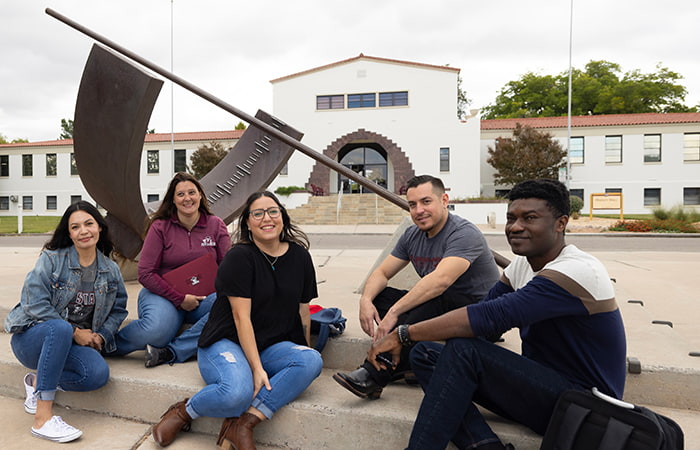
At NMSU Global Campus, our mission is to help prepare the next generation of leaders. We focus on offering high-quality education that spans a multitude of disciplines and career pathways. Whether you’re seeking a degree or certification in teaching, science, engineering, healthcare, business, or others, we provide exciting opportunities that can help shape your future.
New Mexico State University is accredited by the Higher Learning Commission, an institutional accreditation agency recognized by the U.S. Department of Education. Specialized accreditation from other accrediting agencies is also granted for some programs. We offer flexible, career-focused 100% online courses and degree options in New Mexico, across the nation, and around the globe. Start your journey with our accessible and affordable degree options.
Get Your Personalized Program Info
Recent Education Posts

Teaching in New Mexico with an Associate’s or Bachelor’s Degree: Explore Paths to a Rewarding Career in Education
If you’re considering a career in teaching but aren’t sure if your current qualifications are enough, rest assured: It’s never...
Read More about Teaching in New Mexico with an Associate’s or Bachelor’s Degree: Explore Paths to a Rewarding Career in Education
Filling the Demand Gap: Earning Your MA in Special Education
The demand for skilled teachers in special education is growing rapidly. New Mexico schools urgently need specialized support for students...
Read More about Filling the Demand Gap: Earning Your MA in Special Education
How a Master’s in Educational Leadership Prepares You for School Administration
In today’s ever-evolving educational landscape, many teachers feel drawn to take on a larger role in shaping the direction of...
Read More about How a Master’s in Educational Leadership Prepares You for School Administration