Microlearning vs. Traditional Learning: Which Path is Right for You?
Microlearning can help you build a skill quickly, while a degree builds depth and credentials over time. This article breaks down when each option fits you best — and how learners often blend both to keep moving forward.
If you are trying to learn something new, you have more choices than ever. You can commit to a full degree program or start with short lessons that teach one concept at a time.
Microlearning is built around that second option: fast, focused lessons that fit into people’s real-life schedules. Research suggests that this learning format resonates with many adults. In a 2023 study comparing microlearning with a longer, traditional learning format, most participants (72% vs. 20%) preferred microlearning and described it as more engaging and efficient. 1

The key question is not which format is “better.” It is which format matches what you need right now? And what do you want your learning to add up to over time?
Explore Microlearning Courses offered through NMSU Global Campus.
What Is Microlearning?
Microlearning refers to short, focused learning experiences designed to teach one specific skill or concept at a time. Instead of semester-long courses, microlearning is delivered in small units that can be completed quickly and revisited as needed. This is one reason it has grown rapidly in workplace and professional training.
Microlearning often shows up as:
- Short videos or mini-lessons
- Interactive modules or simulations
- Quick practice quizzes and scenario-based questions
- Brief readings or job aids (checklists, cheat sheets, quick reference guides)
- Mobile-first learning activities 2
It is often used for onboarding, compliance updates, tool training, or targeted upskilling.
Why Microlearning Has Gained Popularity
Microlearning has gained traction because it fits how many adults learn today: in short windows between meetings, work shifts, and other responsibilities. That shift is reflected in the market, too. Estimates put the microlearning market at about $1.8 billion in 2025, with projected growth of roughly 13.5% over the next decade. 3
Research reviews also note that microlearning is increasingly used across professional education settings, especially when learners face time constraints and need targeted skill development rather than full-course instruction.
Where Microlearning Works Best
Microlearning tends to work best when the goal is speed, clarity, and immediate application, not deep theory or long-term skill sequencing. This type of learning is most commonly used in professional development and workplace training, where time is limited, and learning is tied to real tasks, such as:
- Onboarding and role readiness
- Compliance and policy refreshers
- Software/tool training
- Sales enablement and product updates
- Targeted upskilling (one skill at a time)
In these settings, microlearning can help people stay current without needing to step away from work for long stretches. It is also easier to revisit later, which makes it useful for quick refreshers before a shift, a meeting, or a new assignment. The NMSU Global Campus Blog offers a clearer picture of exactly how microlearning works and when it can help you build job-ready skills rapidly. 4
What Microlearning Is Not
Short-form learning can be useful, but it is often misunderstood. In most cases, it is not designed to replace a full college program or deliver the same kind of long-term academic outcomes.
To avoid confusion, it helps to clarify what this format usually does not provide:
- A full academic curriculum with depth and progression. Bite-sized lessons are built for one concept at a time. They may teach a tool, workflow, or skill, but they typically do not move through a structured body of knowledge the way a degree program does.
- A credential that is widely recognized across employers. Some platforms issue certificates or badges, but recognition varies widely. A degree is a standardized credential most employers understand immediately.
- A structured sequence designed to build broad mastery over time. These modules are often “as needed,” which supports flexibility. It can also mean fewer prerequisites, less scaffolding, and less guided progression from foundational concepts to advanced application.
- Academic credit that transfers into an accredited degree program. Short courses generally do not carry transfer credit. Even when a completion certificate is offered, it usually does not meet the academic requirements colleges use for credit evaluation.
- The same level of assessment, feedback, and support. Degree programs typically include graded work, faculty oversight, and academic standards designed to measure mastery. Short-form training may include quick checks for understanding, but it usually does not provide the same depth of evaluation or instructor feedback.
This approach can be a strong fit when you need fast skill-building or a quick refresher. But if your goal is a credential with broad recognition, structured progression, and long-term career mobility, a traditional degree program is usually the better match.
What Traditional Learning and Degree Programs Provide
Traditional learning in higher education is built for long-term growth, not quick fixes. It refers to structured academic degree programs such as an associate degree, bachelor’s degree, master’s degree or doctorate. These programs follow an approved curriculum, are taught by faculty and are designed to develop knowledge over time through progressive coursework, feedback and evaluation.
Where microlearning is often task-based, a degree program is systems-based. It helps you understand not only how to do something, but why it works, how to evaluate it and how to apply it across different settings and challenges. That depth matters in fields where decisions affect people, safety, compliance, outcomes, budgets, or long-term strategy.
Traditional degree programs typically provide:
- Depth of knowledge, not just a quick skill. You build context, theory and understanding that supports stronger decision-making and adaptability.
- Structured progression from foundational concepts to advanced application. Courses are sequenced so you develop competence step by step, rather than learning in isolated fragments.
- Academic rigor and evaluation. Programs usually include graded assignments, research, writing, applied analysis and projects that demonstrate mastery.
- Accredited credentials recognized across industries. Degrees are widely understood signals of preparation, especially for roles with defined education expectations.
- Transferable credit, depending on institutional policy. Credits may apply toward additional education, credential stacking, or a future degree path, especially within accredited institutions.
For many career paths, a degree is more than a credential. It can be a baseline requirement, a way to qualify for licensure or certification pathways, or a long-term advantage when you are moving into leadership, management, or specialized roles.
Find 90+ Online Degree and Certificate Programs offered through NMSU Global Campus.
Microlearning vs. Traditional Learning: Key Differences
If you are trying to decide between microlearning and a traditional degree program, it helps to start with one simple point: they are built for different outcomes. Microlearning is usually designed to help you act fast on a specific need. Traditional learning is designed to help you build a durable foundation that holds up over time, across roles, and across employers.
Below is a brief comparison for readers who want a short explainer.
Microlearning is often best for:
- Learning one tool, process, or concept quickly
- Short-term professional development tied to an immediate need
- Workplace training, onboarding, and compliance refreshers
- Reinforcing skills you already use on the job
- Exploring an interest before committing to a longer program
Traditional learning is often best for:
- Earning a widely recognized credential employers expect
- Building broad knowledge and long-term career mobility
- Preparing for leadership roles or management progression
- Entering regulated fields or meeting licensure requirements
- Career change goals that require a stronger foundation
The right choice depends on what you are trying to solve. If you need speed and a narrow skill target, microlearning can be a great choice. If you are building toward a formal degree, a long-term career shift, or a leadership pathway, a traditional academic program is often the clearer path.
When Microlearning Makes Sense
Microlearning is often a strong fit when you have a specific, near-term goal and you want to make progress faster without taking on a full academic schedule. It works best when the learning target is clear, the content is practical, and you can apply what you learn right away.
Consider microlearning if you want to:
- Upskill rapidly for your current role so you can contribute more immediately.
- Build one specific skill tied to a project, new responsibility or promotion.
- Stay current in a fast-changing field where tools, platforms or standards change often.
- Test a subject area before committing to a certificate or degree program.
- Keep up with ongoing development while working full time or balancing other responsibilities.
This type of instruction can be a practical option, especially when time is limited and your goal is narrow. If you are considering microcourses as a stepping stone, check out our microlearning career pivot toolkit to see how short-form learning can support your career goals. 5
When Traditional Degrees Still Matter
Traditional degree programs are often the better fit when you are building toward long-term growth, broader responsibility, or roles where employers expect a recognized academic credential. A degree does not just teach a skill. It builds a foundation that helps you think, communicate, and make decisions in more complex situations over time.
A degree may be the stronger option if you want to:
- Change careers into a new field where you need a full base of knowledge, not just a short course.
- Qualify for leadership or management roles that require broader business, people or operational responsibility.
- Prepare for graduate school or specialized pathways that require accredited academic coursework.
Traditional programs are designed to build capacity over time, which matters in careers where the work requires judgment, analysis, ethical decision-making, and leadership.
Can Microlearning and Traditional Education Work Together?
For many people, microlearning and traditional education are not competing choices. They can work together in a way that makes learning more practical and easier to sustain. The difference is what each approach is built to do: a degree builds the foundation, and microlearning helps you keep that foundation current and job-relevant.
Common ways learners combine them include:
- Using microlearning to reinforce coursework by reviewing key concepts in smaller chunks.
- Building short-term job skills while earning a degree to stay effective at work.
- Keeping current after graduation as tools, expectations, and industry practices evolve.
- Exploring a subject through microlearning first to confirm interest before choosing a degree path.
In practice, the combination can be powerful. A degree supports long-term credibility and mobility, while microlearning supports continuous growth and quick adaptation within your field.
Microlearning vs. Traditional Learning: Which Is Better for Your Career Goals?
If you are deciding between these options, start with what you need next.
- Choose microlearning if you want a fast win, like learning a tool, sharpening one job skill, or staying current without taking on a full course load.
- Choose a traditional degree program if you want broader career mobility, or are working toward advancement, leadership, or a career change that requires deeper preparation.
If you want both, you are not alone. Many learners use microlearning for targeted skill-building now while pursuing an online degree for long-term growth.
Ready to take the next step? Explore the many high-quality learning options available at NMSU Global Campus. Browse microlearning opportunities for targeted skill-building and explore 90+ fully online degree programs designed for flexible long-term growth.
References
1. Roskowski S., Wolcott M., Persky A., Rhoney D., Williams C. “Assessing the Use of Microlearning for Preceptor Development.” Pharmacy (Basel), 15 June 2023.
2. Omer, A.H. “Why You Should Think Of Mobile-First Design For Online Courses.” eLearning Industry, last updated 12 May 2021.
3. “Microlearning Market Size and Share Forecast Outlook 2025 to 2035.” Future Market Insights Inc., 29 July 2025.
4. “Why Microlearning Is the Secret to Fast-Tracking Your Success.” NMSU Global Campus Blog, 2 June 2025.
5. “The Career Pivot Toolkit: Why Microlearning Works.” NMSU Global Campus Blog, 28 April 2025.
About New Mexico State University Global Campus
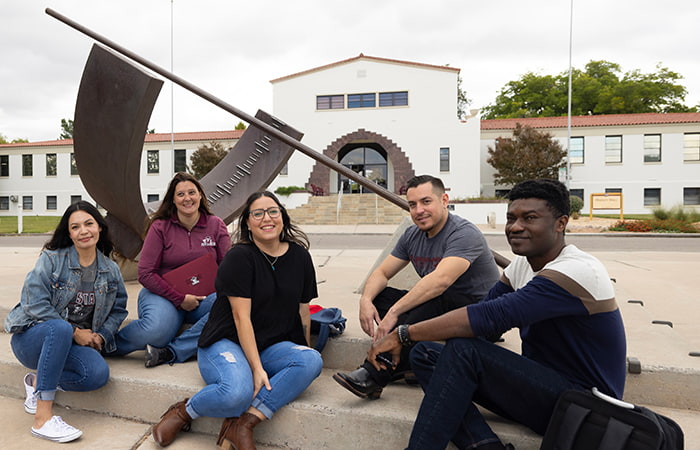
At NMSU Global Campus, our mission is to help prepare the next generation of leaders. We focus on offering high-quality education that spans a multitude of disciplines and career pathways. Whether you’re seeking a degree or certification in teaching, science, engineering, healthcare, business, or others, we provide exciting opportunities that can help shape your future.
New Mexico State University is accredited by the Higher Learning Commission, an institutional accreditation agency recognized by the U.S. Department of Education. Specialized accreditation from other accrediting agencies is also granted for some programs. We offer flexible, career-focused 100% online courses and degree options in New Mexico, across the nation, and around the globe. Start your journey with our accessible and affordable degree options.
Get Your Personalized Program Info
Recent General Posts

Online Degrees for Military and Veterans: What to Know Before You Apply
Military service builds discipline, leadership, and technical skills, but turning that experience into a civilian-ready credential can take a deliberate...
Read More about Online Degrees for Military and Veterans: What to Know Before You Apply
How Long Does it Take to Finish an Online Degree?
This guide breaks down how fast you can finish an online bachelor’s or master’s degree. Explore the practical factors that...
Read More about How Long Does it Take to Finish an Online Degree?
Your Spring Enrollment Timeline: What to Do and When to Do It
Planning for spring enrollment in an online program can feel overwhelming without a clear timeline. This guide outlines when to...
Read More about Your Spring Enrollment Timeline: What to Do and When to Do It
Best STEM Degrees and Careers: High-Demand Paths for the Future
STEM careers continue to grow across industries, from engineering and technology to health and environmental systems. This guide highlights strong...
Read More about Best STEM Degrees and Careers: High-Demand Paths for the Future