Starting College Online After High School
Not every high school graduate takes the same route into college. With online college options, there are more flexible pathways for recent graduates. This guide looks at how starting online college right after high school can help you earn credits, stay on track, and move forward in a way that fits your goals.
In the United States, about 62% of recent high school graduates enroll in college immediately after graduation. That means nearly 4 in 10 do not follow the traditional “graduate, then go straight to campus” route. 1 Some enter the workforce right away, while others take time to save money, support their families, or figure out what they want to study before committing to an undergraduate major or moving away from home.
Online college has become a realistic option for recent high school graduates who want more than one path forward. For some students, it is a way to start earning credits while working, staying close to home, or easing into college-level expectations without delaying their progress.
The question is not whether online college is “better” or “worse” than on-campus learning, but whether it fits how you learn and what you need right now, including flexibility, support, and a clear route to your next step.
In this guide, we’ll cover the benefits of starting college online. We’ll also explain what to look for in a strong degree program and how to decide if online learning fits your goals after graduation.
Explore 20+ Online Undergraduate Degrees at NMSU Global Campus

What Online College Means Today
If you are coming straight out of high school, the idea of earning your degree online can still feel a little vague. Some people picture watching videos alone and turning in assignments with little support, while others assume it is easier than learning in person. In reality, many of today’s college experiences in a digital format are far more structured, interactive, and supportive than those assumptions suggest.
At NMSU Global Campus, every student gets an Academic Advisor, a Career Services Coordinator, a Financial Aid Advisor, and a Student Success Mentor. Your personal Graduation Team will walk with you to graduation and provide career mentorship for what comes next.
In a quality online program, you’re still doing the core things college is meant to help you do: learning new concepts, practicing skills, writing and problem-solving, getting feedback from instructors, and building momentum toward a degree and a future career. The difference is the learning environment.
Instead of showing up in a physical classroom at a set time, you log in to a learning platform where your course materials live. That may include synchronous online meetings or recorded lectures, readings, discussion boards, weekly assignments, quizzes, group projects, and a professor’s office hours.
For students who are new to online learning, understanding the digital tools used in online courses can make the experience feel more approachable. Explore these digital learning tools for online degree success. 2 You still have deadlines. You still interact with faculty. You still build college-level habits. You just do it in a format that fits around your life.
For recent high school graduates, the biggest question is usually not “What is online college?” but “Will it feel like real college, and will the outcomes be similar?”
Online learning can still provide structure, connection and support, but it often looks different than what you see in movies or hear from friends who’ve moved away. You might connect with classmates through discussions, group work and virtual study sessions. You might meet with an advisor online instead of walking into an office. You might build relationships with professors through feedback, email, and scheduled video calls rather than after-class conversations.
Advantages of attending online college right after high school:
- Start earning credits without waiting for a perfect moment. If you are working, helping at home or unsure about relocating, you can still make progress toward your goals.
- Build independence at your own pace. Online learning can be a strong bridge between high school structure and adult responsibilities, especially if you want to learn how to manage your time before jumping into full campus life.
- Explore your direction without losing momentum. If you are still figuring out what you want to study, starting online can give you room to explore interests while moving forward.
- Create a college routine that fits your life now. Many students want college to work alongside a job, athletics, family responsibilities or personal goals. Online learning helps you design a schedule that supports those realities.
Online college is not one type of experience. Some programs are fully online, while others include limited in-person elements depending on the major. Either way, the best way to evaluate an online college is to look for the same things you would want in any college experience: clear expectations, consistent support, strong instruction, and a pathway that gets you where you want to go.
Are you considering online college as your career pathway? The NMSU Global Campus Blog offers helpful tips to succeed in online college. 3
How Prevalent Is Online Learning?
Online learning is no longer a niche option. It’s a normal part of how college works in the United States, including for students right out of high school. In fall of 2021, about 9.4 million undergraduate students took at least one online course, which is 61% of all undergraduates. In that same term, about 4.4 million undergraduates took their courses exclusively online, representing 28% of undergraduate enrollment. 4
While this spike in online learning was prompted by a global pandemic, what happened afterward is what’s more important: even when campuses reopened, millions of students continued choosing online classes — because the format works.
Online programs give students more control over their schedules, making it easier to balance school with work or family responsibilities, and remove barriers like commuting or relocating. For many learners, online college comes with many benefits, including a practical way to start college and build a foundation for your future. 5
In short, online learning has become one more mainstream way to build credits, gain momentum, and move toward a bachelor’s degree on a timeline that fits your life.
Benefits of Attending Online College After High School
Choosing online college after high school is often less about preference and more about fit. Many high school graduates are weighing real constraints and real goals at the same time, including cost, work, family responsibilities and uncertainty about what they want to study.
If you’re asking, “Should I attend online college?” the decision usually comes down to whether an online college experience can provide a solid education, a clear path toward an online undergraduate degree and enough flexibility to keep your life moving forward. For many, the answer is yes.
Online college is not a second-choice option. It’s a strategic choice that supports progress, affordability and flexibility while keeping long-term goals in view. Let’s look closer at some of the top reasons high school graduates choose online college.
Have the Flexibility to Work and Build Experience
Some students want to earn college credits while working part-time or full-time. Online college for high school graduates can make it easier to build a weekly routine around a job, internship, apprenticeship, or other responsibilities. If you want to start building a resume early, online learning can support both progress toward a degree and real-world experience at the same time.
Stay Local and Save Money
For many families, the biggest cost of college is not only tuition, but housing, transportation, meal plans and the expense of relocating. Starting an online degree after high school can allow you to stay local and reduce those costs while still making meaningful academic progress toward a bachelor’s degree.
Get a Smoother Transition Into College Life
College is a major shift from high school structure. Starting online college after high school can help you build independence at a manageable pace, especially if you want to strengthen skills like time management, study habits and self-advocacy before jumping into a fully in-person experience.
Work Around Personal Responsibilities and Life Circumstances
Some graduates need a format that works around family responsibilities, health considerations or other scheduling realities. Online programs can provide access to college even when traditional class times or campus-based schedules are not realistic. You still have deadlines and expectations, but you often have more freedom to choose the hours you study, which can make it easier to stay consistent.
Explore Your Interests Without Losing Momentum
Not every student knows their major right away, and that is normal. Online college can give you the space to explore your interests while continuing to earn credits, rather than delaying college entirely while trying to decide on a path.
Access Support Services and Resources
A strong online program still provides support, just in a different format. Academic advising, tutoring, library access, career services, and tech support are often available virtually. The key is knowing what student resources are offered and using them early, especially in your first term when you are building college-level study habits and routines.
Consider These Challenges Before Choosing an Online College
While online college offers clear benefits, it might not be the right fit for every student in every situation. Understanding the challenges ahead of time can help you decide whether this learning format matches how you work best and what kind of support you need to succeed. For recent high school graduates, being honest about these factors is an important part of choosing the right college path.
Strong Time Management and Self-Motivation
Online learning gives you more control over your schedule, but that also means more responsibility. Without in-person class meetings to structure your week, you need to plan your time, keep track of deadlines, and stay focused when distractions pop up. For students who are still developing these skills, online college can feel like a bigger adjustment at first.
Less Built-in Social Structure
Some students value daily, face-to-face interaction with classmates and instructors. While online programs often offer discussion boards, group projects and virtual events, building those connections usually requires more effort. If campus life and spontaneous social interaction are important to you, it’s worth thinking about how you would create community in an online setting.
May Not Work for Every Learning Style
Certain majors and learning styles benefit from hands-on labs, in-person demonstrations or physical practice. While many programs successfully offer these components online or through limited in-person experiences, it’s important to look closely at how a program is structured to make sure it supports the way you learn best.
Thinking through these challenges doesn’t mean online college is a poor choice. It simply helps you decide whether you are ready for the level of independence and engagement it requires.
How to Succeed in Online College After High School
Online college is not about being older or more experienced, but about readiness. Some high school graduates are well prepared for the independence that online learning requires, while others may benefit from more structure at first. Understanding the skills and habits that support your success can help you decide whether this format fits you right now.
Students who tend to do well in online college after high school often share a few common traits:
- They can manage their own time and stay motivated. Online courses still have deadlines and expectations, but you are responsible for planning when the work gets done. Students who create routines and stick to them often feel more confident and less stressed.
- They communicate when they need help. Successful online students ask questions, reach out to instructors and use office hours, email or discussion boards instead of waiting until they feel stuck.
- They use available support services. Tutoring, academic advising and student support resources exist to help you succeed. Students who take advantage of these services early tend to adjust more smoothly.
- They balance school with other responsibilities. Many online students are working, helping at home or managing busy schedules. Being able to prioritize tasks and shift focus when needed is a key part of staying on track.
What matters most is your mindset, not your age or previous experience. If you’re willing to take ownership of your learning, stay organized and connect with instructors and classmates in digital spaces, online college can be a strong and rewarding way to start your degree after high school.
Online College vs. On-Campus College: Key Differences
Online and on-campus programs can both lead to a respected degree, but the day-to-day experience can feel very different. If you are trying to decide between online college after high school and a traditional campus path, it helps to compare how each format handles structure, support and connection.
Compare Structure and Scheduling
On-campus programs usually follow fixed class meeting times. That structure can be helpful if you learn best with a set routine and regular in-person reminders. Online programs often give you more control over when you complete coursework, as long as you meet weekly deadlines. If you plan to work, commute or help at home, that flexibility can make it easier to keep your studies moving forward.
Consider Your Learning Environment
On-campus learning happens in physical classrooms, labs and study spaces. You may learn through in-person discussion, live lectures and face-to-face group work. Online learning shifts those experiences into a digital space where you may engage through recorded lectures, readings, discussion boards, virtual meetings and collaborative tools. Some students focus better in a quieter environment, while others thrive through in-person energy and routine.
Think About Community and Social Life
Campus life offers built-in opportunities to meet people through student organizations, events, and casual day-to-day interactions. Online college can still provide community, but students usually have to be more intentional. Connection may come through discussion boards, group projects, virtual student events and online study sessions. If building a strong social network is a major priority, it helps to think about how you would create that community in an online setting.
Understand How Support Services Work
Both online and on-campus students can access academic advising, tutoring, library resources, and career services. The main difference is how that support is delivered. On-campus students may walk into an office, while online students often connect through email, phone, chat, or scheduled video meetings. To see what that support can look like in practice, explore the student services and resources available through NMSU Global Campus.
Evaluate Flexibility and Real-Life Fit
Online learning is typically more adaptable to work schedules, transportation limits and changing responsibilities. On-campus programs can provide a stronger sense of separation between school and personal life, but they may require relocation or commuting. The right choice depends on what your life looks like right now and what kind of structure helps you learn.
Neither option is universally “better.” The best choice is the one that fits your learning style, responsibilities and goals. If you are also deciding how many classes to take at a time, you may want to explore full-time vs part-time online college. 6
Ask Yourself These Questions Before Enrolling in Online College
Online college can be a great fit after high school, but the best way to know is to ask yourself a few honest, practical questions. You are not trying to pass a test here; you’re trying to choose a format that supports your success.
- Do I learn well with independence and flexibility, or do I need more face-to-face structure to stay on track?
- Can I manage deadlines without daily class meetings, or will I need a strong weekly routine to stay organized?
- Do I have reliable access to a laptop and internet, and a quiet place where I can focus most days?
- Am I comfortable asking for help early, such as reaching out to instructors, using tutoring or meeting with an advisor?
- What will my schedule look like outside of school, and how many hours per week can I realistically commit to coursework?
- Do I want a campus-based social experience right now, or would I be satisfied building connections through online courses and virtual events?
Being honest about your learning style and responsibilities is a strength, not a weakness. Many students start college online and adjust their approach as they build confidence, time management skills, and clarity about their goals.
Explore Online Undergraduate Degrees After High School
There is no right way to start college after high school, but online learning has made it easier to choose a path that fits your life and still keeps you moving forward. If you value flexibility, affordability, and the ability to balance school with work or responsibilities at home, starting college online can be a practical, confidence-building step.
If you have not chosen a major yet, that does not mean you have to delay planning your next step. Exploring programs can help you better understand your options and move forward with more clarity.
New Mexico State University Global Campus offers 20+ online bachelor’s degree programs for students considering college after high school, along with graduate programs to support future goals as you evolve. The online application process is easy, takes only about 10 to 15 minutes, and your first application is free! 7
References
1. “Fast Facts: Immediate transition to college.” National Center for Education Statistics, 30 May 2024.
2. “Essential Digital Learning Tools for Online Degree Success.” NMSU Global Campus Blog, 22 September 2025.
3. “5 Tips to Thrive in Online College.” NMSU Global Campus Blog, 16 September 2024.
4. “Fast Facts: Distance learning.” National Center for Education Statistics, 2023.
5. “Benefits of Online College – Earn Your Degree Online.” NMSU Global Campus, 14 May 2024.
6. “Full-Time vs Part-Time Online College Degrees: Pros and Cons.” NMSU Global Campus Blog, 21 October 2024.
7. “3 Easy Tips to Help You Complete Your Application to NMSU Global Campus.” NMSU Global Campus Blog, 9 June 2025.
About New Mexico State University Global Campus
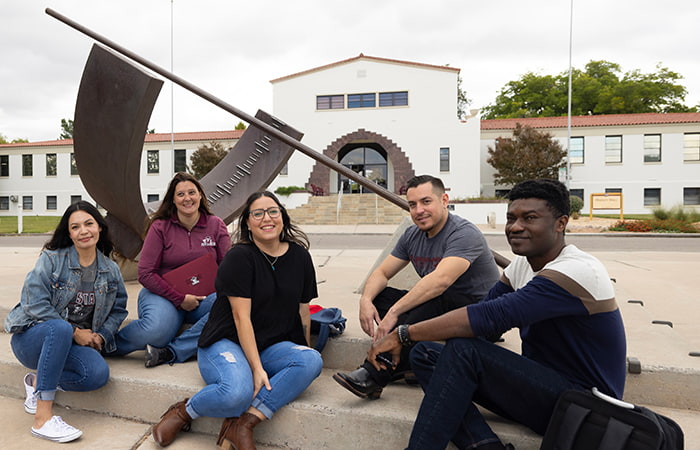
At NMSU Global Campus, our mission is to help prepare the next generation of leaders. We focus on offering high-quality education that spans a multitude of disciplines and career pathways. Whether you’re seeking a degree or certification in teaching, science, engineering, healthcare, business, or others, we provide exciting opportunities that can help shape your future.
New Mexico State University is accredited by the Higher Learning Commission, an institutional accreditation agency recognized by the U.S. Department of Education. Specialized accreditation from other accrediting agencies is also granted for some programs. We offer flexible, career-focused 100% online courses and degree options in New Mexico, across the nation, and around the globe. Start your journey with our accessible and affordable degree options.
Get Your Personalized Program Info
Recent General Posts
Online Degrees for Military and Veterans: What to Know Before You Apply
Military service builds discipline, leadership, and technical skills, but turning that experience into a civilian-ready credential can take a deliberate...
Read More about Online Degrees for Military and Veterans: What to Know Before You Apply
How Long Does it Take to Finish an Online Degree?
This guide breaks down how fast you can finish an online bachelor’s or master’s degree. Explore the practical factors that...
Read More about How Long Does it Take to Finish an Online Degree?
Your Spring Enrollment Timeline: What to Do and When to Do It
Planning for spring enrollment in an online program can feel overwhelming without a clear timeline. This guide outlines when to...
Read More about Your Spring Enrollment Timeline: What to Do and When to Do It