Online Degrees for Military and Veterans: What to Know Before You Apply
Military service builds discipline, leadership, and technical skills, but turning that experience into a civilian-ready credential can take a deliberate next step. This guide explores how online degree pathways can help service members and veterans move forward with flexibility, purpose, and long-term career value.
Moving from military service into a civilian career is not always straightforward. Service members and veterans bring strong experience in leadership, logistics, technology, compliance, and teamwork developed through service. Civilian employers, however, often look for credentials that clearly match a specific role.
Each year, about 200,000 service members transition out of active duty. 1 Many enter a job market where degrees are used as quick indicators of preparation, even when real-world experience runs deep. An online degree can help bridge that gap by providing recognized academic credentials while building on the strengths developed through military service. For many learners, earning a degree is not about starting over. It is about positioning your existing experience for long-term career growth.
Explore 90+ accredited online programs at NMSU Global Campus
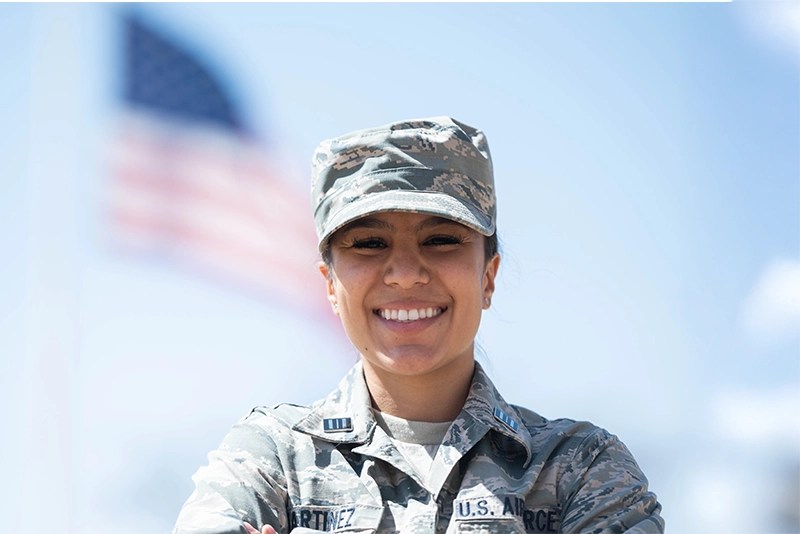
How to Earn a Degree While Active Duty or After Service
Earning a degree during active duty or after separating from the military often requires a plan that works in real life, not just on paper. Schedules can change quickly, responsibilities can shift, and relocation may interrupt routines. The most reliable approach is to choose a flexible format and build steady habits you can keep, even when your weeks look different from one month to the next.
Online degree pathways for military and veteran students can support that kind of consistency. Many online programs are designed to work around unpredictable calendars by focusing on weekly deadlines and structured coursework rather than set class meeting times. That makes it easier to stay enrolled and keep moving forward through changes in work demands, travel, or transition planning.
Many service members and veterans choose online programs because they can:
- Complete coursework on a flexible schedule rather than logging in at a set time.
- Stay enrolled through location changes without having to pause progress.
- Plan around high-demand periods by working ahead when possible.
- Balance school with work and family responsibilities without commuting to campus.
- Maintain momentum during transition while job searching, moving, or adjusting to a new routine.
Cost can also play an important role when choosing a program. At NMSU Global Campus, eligible active-duty service members may qualify for a flat military tuition rate of $250 per credit. This can help make degree completion more affordable and doable while you are serving.
A realistic plan also starts with understanding what a typical week requires. Flexibility helps, but most courses still require steady engagement. It often works best to set two to four short study blocks each week and keep a backup plan for weeks when your responsibilities take priority. Our blog offers a clearer picture of how online degree programs work and how to set yourself up for success. 2
Choose a Pace for Your Online Degree You Can Maintain
Pacing is one of the most practical decisions you can make early on. The right course load is not the same for everyone, and it often changes over time.
During active duty, many students choose to take one course at a time to stay consistent through training cycles, travel, and unexpected schedule changes. After separation, some increase their course load once routines become more predictable and they have more control over their weekly time. Either approach can work as long as it aligns with your responsibilities and your goal timeline.
A helpful way to decide is to ask:
- How many hours each week can you realistically set aside in most weeks, not just ideal weeks?
- Do the next few months include known disruptions, such as training, travel, or a Permanent Change of Station (PCS) move?
- How quickly do you want to reach a specific milestone, such as completing general education requirements or earning a credential tied to a career goal?
What to Look For When Comparing Online Programs
If you are comparing online degrees for military learners, the program structure matters as much as the subject area. Look for degree programs that are clear about expectations from the start and designed to support progress when circumstances change.
Key features to look for include:
- Clear weekly workload and deadlines so you can plan around duty and family responsibilities.
- Advising support that understands military life and can help you plan for schedule changes.
- Transfer and prior learning processes that are easy to navigate and clearly explained.
- A course format that supports steady progress, even during high-tempo periods.
An online degree program that is structured, transparent and supportive can make it easier to stay enrolled and keep moving forward, even when life does not cooperate.
What to Look For In an Accredited Online University for Military Learners
Choosing the right institution is as important as choosing the right degree. Not every online program is built to support military life, and the differences can show up quickly when schedules change, relocation happens, or benefits paperwork needs to be completed on a deadline.
An accredited online university for military learners should make it easier to start, stay enrolled, and keep making progress, even when your circumstances shift. Here are the core factors to look for:
Accreditation That Holds Value Long Term
Accreditation is one of the clearest quality signals an online university can offer. It matters because it affects how widely your degree is recognized by employers and whether your credits can apply toward future education.
Look for regional accreditation, which is widely recognized across higher education. It can also influence:
- Whether credits transfer if you change schools or continue your education later
- Eligibility for graduate programs
- Employer confidence in the credential
NMSU Global Campus is part of New Mexico State University, which is accredited by the Higher Learning Commission (HLC), an institutional accrediting agency recognized by the U.S. Department of Education. Some programs also hold specialized accreditation through additional accrediting bodies. This accreditation helps ensure your education meets established quality standards and supports credit transfer and the long-term value of your credential.
Find answers to all your questions about accredited online colleges and degree programs in the NMSU Global Campus Blog. 3
Clear Credit Transfer and Prior Learning Processes
Military learners often come in with existing college credit, professional training, or military coursework. A strong online degree program makes it clear how that learning is reviewed and how it may apply to a degree plan, so you can make informed decisions about timing and cost before you commit.
Look for higher education institutions that provide:
- A straightforward transfer credit review process with clear next steps.
- Clear communication on what documents are needed and when to submit them.
- Guidance on how prior coursework and military training may apply to degree requirements.
- A degree plan that shows how transfer credits fit into remaining courses.
If you are transferring credits, it helps to understand the process early, including what typically transfers, what may not, and how transfer decisions can affect your time to completion. For a step-by-step overview, explore our guide to transferring credits to an online college on the NMSU Global Campus blog. 4
Even when prior learning does not cover every requirement, a transparent evaluation process helps you plan time and cost more accurately and avoid surprises later in the program.
Advising That Understands Military Pathways
Academic advising matters for any student, but it can be especially valuable when you are balancing duty obligations, travel or a transition to civilian work. The right advising support helps you map a realistic path, not just an ideal one.
Look for advising that can help with:
- Planning a course sequence that fits around known obligations
- Adjusting your schedule when orders or work demands change
- Staying on track toward milestones that matter for your timeline
Support Designed for Working Adults
Military learners are often balancing more than coursework alone. Full-time work, family responsibilities, and major life changes during or after service can all affect how much time and energy are available each week. Your support structures should reflect that reality, rather than assuming a traditional student schedule.
Strong online programs are typically designed with working adults in mind and offer:
- Clear course expectations and consistent weekly pacing
- Easy access to student support services without requiring time on campus
- Tools and resources that help you stay organized, track deadlines and manage coursework
It also helps when programs offer flexibility in how many courses you take at once. Some students choose to enroll part-time during active duty, while others move to a full-time pace after separation when schedules become more predictable.
Understanding the difference between these options can help you choose a pace that supports both academic progress and personal responsibilities. For additional guidance, read our full-time vs part-time online college guide. 5
Straightforward Information Before You Enroll
Before committing, the institution should make it easy to understand what you are signing up for. If key information is hard to find or unclear, it can be a warning sign.
Look for transparency around:
- Program requirements and estimated time to completion
- Course format and weekly workload expectations
- Transfer credit policies and who to contact with questions
Accreditation matters because it helps protect the long-term value of your degree across industries, certifications and future educational goals. When the institution is a strong fit, you spend less time untangling logistics and more time building progress that supports your next step.
Browse 90+ accredited degree programs offered 100% online at NMSU Global Campus.
Translating Military Experience Into Degree Progress
One of the most important questions military learners ask is how previous experience applies toward a degree. According to the American Council on Education, military training and occupational experience can carry college-level learning value when it aligns with academic outcomes. 6 As a result, many online degree programs evaluate military training, professional coursework, and prior college credit as part of the admissions and degree-planning process.
Rather than repeating material already mastered through service, well-structured degree pathways help students build academic depth while making steady progress toward graduation. This approach supports efficiency without lowering academic standards.
Leadership and Management Pathways
Military leadership experience often aligns closely with academic programs focused on organizational effectiveness, operations and decision-making. Research consistently shows that veterans bring strong leadership, team coordination and problem-solving skills into civilian workplaces. Degrees in areas such as business and marketing or organizational leadership communication help translate command experience into credentials employers recognize.
These pathways support careers in operations management, project coordination, and organizational leadership across a wide range of industries, particularly roles that value structure, accountability, and strategic execution.
Technical and Applied Pathways
Service members with technical, engineering, or systems-based roles often benefit from degrees that formalize applied knowledge. That need is only growing as the military continues to integrate advanced technologies into training and operations. Across the armed forces, artificial intelligence is increasingly used to shape how service members train, learn, and make decisions in complex environments. That includes simulation-based training that can adapt to performance rather than repeating the same scripted scenarios. 7
Academic programs in areas such as information systems, engineering technology, and related technical fields can help strengthen analytical and technical skills while supporting advancement into civilian technical roles. These pathways often appeal to those seeking continuity between military responsibilities and civilian career opportunities, especially in fields where employers value both practical experience and formal, transferable credentials.
Explore STEM Degree options at NMSU Global Campus.
Service and Community-Focused Pathways
Many veterans are drawn to careers centered on service, education and community impact. Studies on veteran career outcomes show strong interest in public service, education and nonprofit work, where mission-driven values and leadership experience are highly relevant.
Degree pathways in fields such as social services, education, or public-sector administration align well with this orientation and support roles in public service, education, nonprofit organizations, and community leadership.
Explore more online degree options at NMSU Global Campus.
Support From NMSU’s Military and Veterans Programs
At New Mexico State University, translating military experience into academic progress is supported beyond the classroom. Military and Veterans Programs (MVP) is the university’s dedicated support office for active-duty service members, veterans, and their dependents enrolled at NMSU Global Campus.
MVP supports military-connected students by helping them navigate education benefits, credit transfer and the transition into academic life. The program also supports students using Department of Defense Tuition Assistance (TA) and U.S. Department of Veterans Affairs education benefits, helping simplify the administrative process.
Military and veteran students also have access to priority registration, evaluation of military training and experience for potential academic credit, scholarship and internship opportunities, and connection to veteran-focused communities such as the Student Veterans Organization and SALUTE National Honor Society. Programs are approved by the State Approving Agency, allowing eligible students to use federal education benefits.
Find out more about available resources and support from Military and Veterans Programs at NMSU Global Campus.
Proudly Serving Those Who Serve
Earning a degree is not a single decision but a strategic step in shaping post-service opportunities. Whether continuing service, transitioning to civilian employment, or planning long-term advancement, the right online degree can help translate experience into recognized credentials.
Take the next step toward civilian career success. Explore 90+ flexible, accredited online programs designed for working professionals at NMSU Global Campus.
Ready to apply for your online degree program?
References
1. Spires, M, and Lang, W. “How Veterans Can Lead the Future of Work and Learning.” Higher Education Today, 4 November 2025.
2. “How Do Online Classes Work? A Guide to Online Learning at NMSU Global Campus.” NMSU Global Campus Blog, 5 May 2025.
3. “Are Online Colleges Accredited? What You Should Know About Online Degrees.” NMSU Global Campus Blog, 8 April 2024.
4. “A Clear Path to Transfer Your College Credits to an Online Program.” NMSU Global Campus Blog, 8 December 2025.
5. “Full-Time vs Part-Time Online College Degrees: Pros and Cons.” NMSU Global Campus Blog, 21 October 2024.
6. “ACE Military Guide.” American Council on Education, accessed 16 March 2026.
7. Fuller, H. “Artificial Intelligence Comes to the Ranks: The Next Wave of Military Training Tech.” Military.com, 10 November 2025.
About New Mexico State University Global Campus
At NMSU Global Campus, our mission is to help prepare the next generation of leaders. We focus on offering high-quality education that spans a multitude of disciplines and career pathways. Whether you’re seeking a degree or certification in teaching, science, engineering, healthcare, business, or others, we provide exciting opportunities that can help shape your future.
New Mexico State University is accredited by the Higher Learning Commission, an institutional accreditation agency recognized by the U.S. Department of Education. Specialized accreditation from other accrediting agencies is also granted for some programs. We offer flexible, career-focused 100% online courses and degree options in New Mexico, across the nation, and around the globe. Start your journey with our accessible and affordable degree options.
Get Your Personalized Program Info
Recent General Posts

What Is Microlearning and Why Is It Changing Higher Education?
Microlearning offers learners faster, more flexible ways to build targeted skills while still working full-time and balancing life’s other demands....
Read More about What Is Microlearning and Why Is It Changing Higher Education?
8 Most In-Demand General Skills Employers Want in 2026
As AI technology changes the world of work, the skills that drive career growth are shifting. Employers now prioritize candidates...
Read More about 8 Most In-Demand General Skills Employers Want in 2026
Starting College Online After High School
Not every high school graduate takes the same route into college. With online college options, there are more flexible pathways...
Read More about Starting College Online After High School