Your Guide to Staying Motivated in an Online Degree Program
When you’re managing work, family, and an online degree program, keeping up momentum can be a challenge. With the right structure and support, you can stay motivated in online college — and on track to reach your long-term goals.
Online degree programs continue to grow in popularity because they offer flexibility, accessibility, and a learning format that meets the needs of working adults. National data shows that online learning is now a widely chosen path. More than half of undergraduate students take at least one online course, and nearly a quarter of undergrads study fully online. 1 That scale reflects how many learners rely on flexible formats to keep moving toward a degree.

With this flexibility comes the need for structure, which is why staying motivated plays such an important role in online learning success. Even highly motivated learners can feel stretched when juggling multiple responsibilities. Recognizing these moments early can help you build habits that support consistency and long-term progress.
Developing routines, understanding your personal learning needs, and using the right tools can help you stay engaged throughout your program.
Discover Your Personal Motivation for Online College Success
Motivation in online classes starts with knowing your “why.” When you are clear on what you want from your degree, it is easier to show up consistently, even when your life is full. Many strong online students take time early on to name the goal that matters most to them. That goal might be moving forward at work, stepping into a new field, or reaching a personal milestone they have been working toward for years.
Once your reason is clear, your coursework won’t feel like a set of random tasks. It becomes part of a bigger plan. That shift matters during weeks that feel long or stressful. When you can connect an assignment to the future you are building, it is easier to stay focused, follow through, and keep your momentum. Over time, that purpose helps you move through the online degree program with more confidence and a stronger sense of progress.
Set Clear Goals to Stay Motivated in Your Online Degree
Setting clear goals is one of the most effective ways to stay motivated in an online degree program. The difference is turning a general goal into something you can act on each week. Start by naming what you want your degree to change for you, then break that long-term outcome into short-term targets that fit inside a term.
A good goal does three things: it is specific, it has a timeline, and it connects to your daily work. Instead of “finish my degree,” aim for something like “pass this term with a B or higher so I stay on track for graduation.” When you can see how one class supports your bigger plan, your motivation has a place to land, especially during hard weeks.
How to Do This:
- Write one long-term goal in one sentence. Example: “I want to earn my degree so I can move into a leadership role.”
- List two to three short-term goals for this term. Example: “Finish all assignments on time” or “Spend five hours a week on coursework.”
- Link each course to a benefit. Ask, “How does this class help me reach my goal?” Even a simple answer gives the coursework extra meaning.
- Track progress weekly. Seeing forward movement keeps motivation from fading.
Create a Feasible To-Do List:
- Write your long-term goal at the top of your planner or in a note on your phone.
- Pick two term goals and write them as measurable targets.
- Set a weekly reminder to check your progress and adjust if needed.
- At the start of each week, write one sentence: “This week matters because _________.”
Use Small Daily Wins to Stay on Track in Online Courses
Daily motivation matters because online learning depends on self-management. Long-term goals guide your direction, but small daily wins keep you moving when your schedule is packed. A small win is any action that reduces stress later, such as a short reading session, starting an assignment early, or logging in to confirm what is due.
The trick is not doing everything at once. It is doing something small on purpose every day or most days. These actions build consistency, and consistency builds motivation. You start to trust yourself to keep going.
How to Do This:
- Choose one small academic task per day. Keep it under 20 to 30 minutes so it feels doable.
- Make the task obvious by putting it on your calendar like an appointment.
- Finish before you stop. Even a short session counts if you complete it.
- Give yourself a visible win by checking it off or marking it in an app.
Create a Feasible To-Do List:
- Each morning or the night before, pick one task you can finish in about 20 minutes.
- Set a daily study block at a consistent time you can protect.
- Start assignments the day they are posted, even if you only outline the first step.
- End each study session by writing down the next small task for tomorrow.
- Keep a simple weekly “Done List” so you can see your progress build.
Create a Routine That Helps You Stay Motivated in Online Learning
A consistent routine is one of the most powerful tools for staying motivated in an online degree program. When you have a clear plan for your week, it becomes easier to manage coursework, reduce stress, and stay focused on your goals. Many online learners find that even a few simple structure-building habits can make a big difference in how confident and prepared they feel each day.
Build a Weekly Study Schedule to Stay on Track in Online Classes
Creating a weekly study schedule helps you stay organized and prevents last-minute rushing. A schedule works best when it is built around your real life, not an ideal week. Time blocking is useful because it gives each task a specific place on your calendar. When study time is already decided, you spend less energy figuring out when to work and more time actually getting things done. It also makes it easier to communicate your availability to family or roommates, so they know when you need uninterrupted time.
A realistic schedule does not mean filling every hour. Instead, aim for a simple plan you can maintain consistently. Many online learners start with a few study blocks each week, protect those blocks like appointments, and adjust once they see what works.
How to Do This:
- Map your week first. Write down fixed commitments like work hours, family responsibilities and commute time.
- Choose three to five study blocks that fit your energy and availability. Keep them consistent across the week when possible.
- Assign each study block a purpose. For example, one block for reading, one for assignments, and one for discussion posts.
- Add a buffer block. Set aside one flexible block each week for catch-up or unexpected tasks.
- Review and adjust every Sunday. Look at what is due, shift blocks if needed, and keep what worked.
Create a Feasible To-Do List:
- Pick one day to plan your week and put it on your calendar.
- Add three study blocks to your calendar for this week and label what you will do in each one.
- Tell the people you live with when those blocks are so they know you are unavailable.
- Set a reminder 10 minutes before each block to help you transition into study mode.
- At week’s end, note what you finished and move any leftovers into next week’s plan.
Design a Study Environment That Supports Online Learning Success
Your study space plays a major role in how well you stay focused in online courses. A good study environment does not have to be perfect or elaborate. It simply needs to help your brain shift into learning mode. For some learners, this might be a quiet corner of the kitchen table. For others, it could be a library, a coffee shop, or a small desk at home.
Simple tools can improve your study environment and help you avoid distractions. Some items to consider include:
- Digital calendars
- Noise-canceling headphones
- Task lists
Even using browser extensions that limit notifications can make your study time more productive. If you are looking for more ideas to improve your digital setup, explore digital learning tools for online degree success from the NMSU Global Campus Blog.
Building a dedicated space, even a small one, helps signal to your mind that it is time to focus. Over time, this routine becomes a powerful motivator that supports long-term success in your online classes.
Use Proven Strategies to Stay Motivated in Online Classes
Motivation in online learning does not happen by accident. It grows when you use simple strategies that fit your schedule and learning style. When your approach feels realistic, you are more likely to start your work on time, stay steady through busy weeks, and avoid the cycle of falling behind and scrambling to catch up.
Small, consistent actions matter here. They lower stress because you are not trying to do everything at once, and they keep you engaged because you can see progress building week by week. Over the course of a term, that steady progress helps you feel capable, focused, and in control of your learning.
Break Big Assignments Into Small Steps to Stay Focused
Large assignments can be one of the biggest challenges in online learning. When you look at a project or paper as one huge task, it is easy to procrastinate or feel stuck. The solution is to break down the work into clear steps that you can finish one at a time. Each step lowers pressure, gives you a quick win, and keeps you moving forward before the deadline sneaks up.
Breaking assignments down also helps you use shorter study blocks well. Even on busy days, you can still make progress if you know the next small step to take. Over time, that steady progress builds confidence and makes big assignments feel manageable, rather than overwhelming.
How to Do This:
- Read the assignment and pull out the required parts. Look for what you need to submit and how it will be graded.
- Turn the assignment into a short checklist of steps. Each step should be something you can finish in one sitting.
- Start with the easiest first step to build momentum. That could be opening the doc, writing headings or finding one source.
- Set mini deadlines for each step. Spread them across the days you have, not the day before it is due.
- Do one step per study session. Stop when that step is done so you end with a clear win.
Create a Feasible To-Do List:
- Today: Open the assignment, reread the instructions and write a simple checklist of steps.
- This week: Put mini deadlines for each step into your calendar.
- Each study block: Complete one step only, then check it off.
- Two days before the due date: Review what you have, revise and format.
- One day before the due date: Final proofread, submit, and confirm it is uploaded correctly.
Stay Engaged With Course Materials and Instructors
Engagement is one of the strongest predictors of motivation in online learning. The more connected you feel to the course, the easier it becomes to stay interested and involved. Participating in class discussions, responding thoughtfully to peers, or contributing your perspective can help you feel part of a learning community. Asking questions when you need clarification or attending virtual office hours also keeps you connected to your instructor.
When you take an active role in your learning, the course material feels more meaningful and easier to retain. Engagement turns each class into an interactive experience rather than a checklist of assignments, which helps sustain long-term motivation in your online degree program.
Strengthen Your Support System to Stay Motivated in Online Learning
A strong support system is one of the most valuable resources you can have while earning your degree online. Motivation naturally rises and falls throughout the term, but having people you can rely on helps you stay grounded and confident when coursework becomes challenging. Support can come from classmates, family, friends, or university staff. Each plays a different role in helping you stay focused and move steadily toward your goals.
Connect With Classmates to Build Motivation and Accountability
Online learning may take place virtually, but it does not have to be a solitary experience. Many learners find that connecting with classmates boosts motivation in meaningful ways. Study groups, peer check-ins, discussion boards, and virtual meetups all help you feel part of a learning community. These connections also create a sense of accountability, which can help keep you on track when balancing multiple responsibilities.
Having peers who understand the coursework and share similar goals can make your online classes feel more collaborative and engaging.
Reach Out to Academic Advisors and Faculty for Support When You Need It
Academic advisors and instructors are key members of your support network. They are available to answer questions, clarify expectations, and help you navigate challenges as they arise. If you feel overwhelmed, unsure how to move forward, or confused about an assignment, reaching out early can help you regain direction.
Academic advisors can guide you on course planning, university resources, and strategies for staying organized. Instructors can help you deepen your understanding of the material. Using these support systems helps you succeed academically and strengthens your motivation as you progress through your online degree.
Balance Work, School, and Life While Earning Your Degree Online
Online learners often manage packed weeks, and school has to fit into the middle of everything else. That reality can make motivation feel uneven, especially when deadlines stack up. The good news is that staying on track is less about willpower and more about setting up the right environment. When you build a routine you can repeat, set clear boundaries around study time, and take care of your energy, online classes feel more doable. Those choices help you stay steady through the term and keep moving toward graduation.
Set Expectations With Family, Friends, and Colleagues to Stay on Track
Clear communication is one of the most effective ways to balance real life with an online degree. If the people around you do not know when you are studying or what you need, they will fill the space with good intentions that still interrupt your time. Setting expectations early protects your schedule, lowers stress, and makes your goals feel more real to everyone involved.
These conversations do not need to be long or dramatic. They just need to be clear. When others understand your timeline and what support looks like, it becomes easier to stick to your plan and stay motivated throughout the term.
How to Do This:
- Decide what you need first. Be specific about when you study and what kind of help would make that possible.
- Share your weekly study blocks. Tell the people closest to you which times are non-negotiable and which times are flexible.
- Name the support you are asking for. Keep it simple and tied to your schedule, not a general request to “help more.”
- Set a check-in point. Agree to revisit the plan in a few weeks to adjust if needed.
- Repeat as your term changes. A new class or heavier workload may require a quick reset.
Create a Feasible To-Do List:
- Write down your study blocks for the week before you talk to anyone.
- Have one short conversation with the people you live with about your schedule and what you need during those times.
- If you have a manager or team lead, let them know your class schedule early and flag any busy weeks.
- Put a simple reminder on your door, calendar or workspace during study time.
- Two weeks into the term, check in with your support circle and adjust the plan if something is not working.
Use Healthy Habits to Prevent Burnout in Online Learning
Burnout rarely happens overnight. It usually builds when your workload stays high and your recovery time stays low. The goal is to notice the early signs, then make small changes before your energy drops. Healthy habits are not extra tasks. They are part of how you protect your momentum.
One reason this is easier now is that many students can track stress and sleep with tools they already own. Wearables and phone apps can reveal patterns you might miss, such as rising stress during some weeks or sleep disturbances when deadlines pile up.
Sleep tracker devices and tools such as the Oura Ring, Whoop, Fitbit trackers, and Apple Watch offer sleep and recovery insights that can help you spot overload early. 2 If you do not want to wear anything, tools like sleep trackers can still give useful night-to-night data. Pairing that with a simple mindfulness app, like Calm, Headspace, or Insight Timer, can help you reset quickly on heavy days.
How to Do This:
- Pick one signal to watch. Choose sleep quality, stress trend or daily energy and track it for two weeks.
- Use a tracker you will actually wear or open. If you already have an Apple Watch, Fitbit, Oura or Whoop, turn on sleep and stress features and check your weekly summary. 3
- Set a simple burnout threshold. For example, if you see three nights of short sleep or a week of rising stress scores, you adjust your schedule.
- Build short recovery breaks into study time. A five-minutefive minute walk, stretch, or breathing reset between blocks helps your brain stay online longer.
- Add a quick mental reset tool. Use a guided breathing or short meditation session on days you feel tense.
Feasible To-Do List:
- Tonight: Turn on sleep tracking in your wearable or phone health app.
- This week: Pick one weeknight to go to bed 30 minutes earlier and keep it consistent.
- During study blocks: Use a timer for 25 to 30 minutes of work, then take a five minute break.
- Once a week: Check your stress or sleep summary and note which dayswhat week felt heavy
- When stress is high: Do a five-minutefive minute guided reset in a mindfulness app, then return to your next task.
Use Campus Resources Designed to Help Online Students Succeed
High-quality online degree programs provide tools and resources that support student success. These may include tutoring, writing assistance, technology help, and success coaching. Exploring these services early ensures you know where to turn if your motivation dips during the term.
NMSU Global Campus offers flexible online programs supported by advising, career guidance, and academic resources. If you need help selecting a path of study, the NMSU Global Campus Blog offers useful tips on how to choose an online degree program.
See How NMSU Global Campus Helps Online Students Stay Motivated
NMSU Global Campus supports online learners from enrollment through graduation. Students benefit from personalized advising, responsive faculty, and a wide range of resources tailored for adult learners. This approach helps you stay motivated, connected, and confident as you progress through your coursework.
With more than 90 programs available online, learners can find an academic path that fits their schedule and career goals. This combination of flexibility, support, and accredited coursework creates an environment where students can thrive.
Take the Next Step Toward Earning Your Online Degree
Motivation grows when you have a clear plan and a supportive learning community. If you are ready to begin or continue your educational journey, explore 90+ NMSU Global Campus online degree and certificate programs to see how you can take the next step toward your academic goals.
References
1. “Digest of Education Statistics.” National Center for Education Statistics, Fall 2022.
2. “The best sleep trackers 2025: Tested and recommended by our sleep tech experts.” Tom’s Guide, 20 November 2025.
3. “Best stress trackers 2025: Long-term tests with Oura, Whoop, and more.” Wareable, 2 December 2025.
About New Mexico State University Global Campus
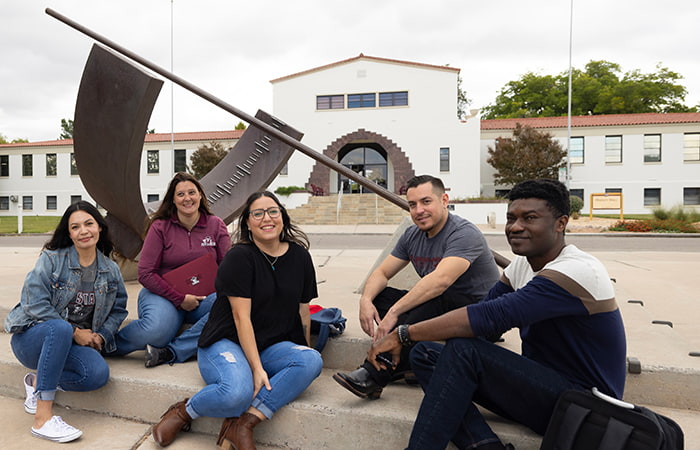
At NMSU Global Campus, our mission is to help prepare the next generation of leaders. We focus on offering high-quality education that spans a multitude of disciplines and career pathways. Whether you’re seeking a degree or certification in teaching, science, engineering, healthcare, business, or others, we provide exciting opportunities that can help shape your future.
New Mexico State University is accredited by the Higher Learning Commission, an institutional accreditation agency recognized by the U.S. Department of Education. Specialized accreditation from other accrediting agencies is also granted for some programs. We offer flexible, career-focused 100% online courses and degree options in New Mexico, across the nation, and around the globe. Start your journey with our accessible and affordable degree options.
Get Your Personalized Program Info
Recent General Posts

How Long Does it Take to Finish an Online Degree?
This guide breaks down how fast you can finish an online bachelor’s or master’s degree. Explore the practical factors that...
Read More about How Long Does it Take to Finish an Online Degree?
Your Spring Enrollment Timeline: What to Do and When to Do It
Planning for spring enrollment in an online program can feel overwhelming without a clear timeline. This guide outlines when to...
Read More about Your Spring Enrollment Timeline: What to Do and When to Do It
Best STEM Degrees and Careers: High-Demand Paths for the Future
STEM careers continue to grow across industries, from engineering and technology to health and environmental systems. This guide highlights strong...
Read More about Best STEM Degrees and Careers: High-Demand Paths for the Future
Microlearning vs. Traditional Learning: Which Path is Right for You?
Microlearning can help you build a skill quickly, while a degree builds depth and credentials over time. This article breaks...
Read More about Microlearning vs. Traditional Learning: Which Path is Right for You?