DNP Degree Careers: Leadership and Clinical Paths Explained
Wondering what you can do with a DNP degree? This career guide explores opportunities for a Doctor of Nursing Practice — from nurse practitioner roles and community-based care leadership to healthcare administration and population health initiatives. Learn how this degree can help you take the next step in your nursing career.
Nurses today are taking on increasingly complex responsibilities, which include delivering advanced patient care, leading quality improvement initiatives, and shaping healthcare delivery across entire communities. As healthcare systems continue to evolve, the demand for nurses who can combine clinical expertise with leadership and evidence-based decision-making is growing.
For many nurses, earning a Doctor of Nursing Practice (DNP) is a way to expand their impact beyond traditional advanced practice roles. Whether your goal is greater clinical autonomy, organizational leadership, or improved patient outcomes at a systems level, the DNP prepares you to address complex healthcare challenges with confidence.
Unlike research-focused doctoral programs, DNP programs emphasize translating research into practice, improving care delivery, and leading change across healthcare systems. That preparation can support careers in advanced clinical practice, healthcare administration, population health leadership, and systems-level improvement.
The career opportunities available to DNP graduates vary based on factors such as specialty track, certification, previous nursing education, licensure, and practice setting. In this guide, we’ll look at the clinical, leadership, and administrative career paths a DNP can support and how the degree may help you achieve your long-term professional goals.
Explore the Online DNP Program at NMSU Global Campus
Explore DNP Careers in Clinical Practice
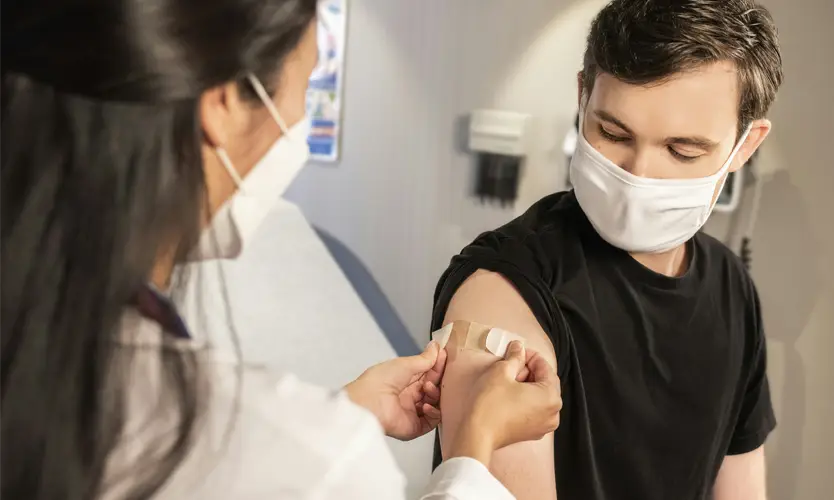
Many DNP graduates pursue advanced clinical roles that allow them to diagnose conditions, develop treatment plans, and provide specialized patient care. While specific responsibilities vary by specialty, certification, and state regulations, the DNP degree can prepare nurses to take on greater clinical autonomy and leadership in patient care settings.
Because the DNP supports several advanced practice pathways, your career options will depend on factors such as your specialty track, previous nursing experience, and professional credentials. Common clinical career paths include:
- Family Nurse Practitioner (FNP): Delivers primary care across the lifespan in clinics, community health centers, physician practices, and other outpatient settings.
- Psychiatric/Mental Health Nurse Practitioner (PMHNP): Provides behavioral health assessment, treatment planning, and medication management in psychiatric facilities, outpatient practices, and integrated care environments. Explore other degree pathways for careers in mental health. 1
- Certified Registered Nurse Anesthetist (CRNA): Administers anesthesia and related care in surgical and procedural settings.
Within the online DNP program at NMSU Global Campus, students can pursue Family Nurse Practitioner and Psychiatric/Mental Health Nurse Practitioner pathways that emphasize community-based care and advanced clinical practice. NMSU’s Nurse Anesthesiology DNP program is offered on campus in Las Cruces, New Mexico.
Practice settings can significantly shape the day-to-day experience within these roles. An FNP working in a rural health clinic may focus on preventive care, chronic disease management, and patient education. A PMHNP may help individuals and families navigate complex mental health conditions through assessment, treatment, and ongoing support.
Many advanced practice nurses choose to work in community clinics and federally qualified health centers that care for underserved populations. Some of these settings may also provide access to workforce incentive programs. For example, the National Health Service Corps offers loan repayment opportunities for eligible clinicians who practice in approved shortage areas. 2
Beyond specialty-specific clinical skills, DNP preparation helps nurses strengthen clinical reasoning, evidence-based decision-making, systems thinking, and leadership abilities. These competencies can support long-term career growth while helping clinicians improve outcomes for individual patients and the communities they serve.
Each advanced practice role also requires specialty certification and state licensure, which determine the scope of practice and prescribing authority. While graduate-level education is required for certification and licensure, the American Association of Colleges of Nursing supports the DNP as the preferred preparation for advanced practice nursing. 3
Find Your Place at NMSU
If you’re considering NMSU Global Campus, we’ll help you explore online programs.
Connect with us today!
Improve Healthcare With Population Health and Clinical Leadership
Not all DNP-prepared nurses lead through formal management positions. Many drive meaningful change within clinical practice, especially in community-based settings where access, prevention and patient outcomes are central to care. For nurses in family practice and psychiatric/mental health settings, leadership often means improving how care is delivered to patients, families and communities.
That nursing leadership can take many forms, including quality improvement initiatives, patient education programs, care coordination efforts and evidence-based practice changes. An FNP may help strengthen chronic disease management processes within a community clinic. A PMHNP may support integrated behavioral healthcare models or improve follow-up procedures for patients requiring ongoing mental health services.
With a DNP, your nursing career path may include responsibilities such as:
- Leading evidence-based practice improvements: Applying current research to strengthen patient care and improve outcomes.
- Improving care coordination: Helping patients navigate providers, services and follow-up care more effectively.
- Supporting population health goals: Identifying care gaps, addressing health disparities, and improving outcomes for defined patient populations.
- Strengthening community-based care: Supporting prevention, patient education, and culturally responsive care initiatives.
- Guiding clinical quality improvement efforts: Using data and patient outcomes to improve processes within a clinic, practice, or care team.
This leadership focus aligns closely with advanced nursing practice. Rather than preparing nurses solely for executive positions, the DNP helps clinicians connect direct patient care with broader improvements in healthcare delivery and community health outcomes.
DNP courses such as Health Policy and Ethics for Advanced Nursing Practice, Evidence-Based Practice for Healthcare Providers, and Population Health Leadership and Epidemiology help students build the skills needed to address complex healthcare challenges through data-informed decision-making and systems-level thinking.
For MSN-to-DNP students, the Population Health Leadership pathway provides preparation for improving outcomes across groups of patients and communities. This focus is especially relevant for nurses who want to influence healthcare through practice improvement, prevention strategies, care coordination and evidence-based leadership. If your interest lies in advocating for care in the legislative arena, you can focus your project on health care policy.
Explore DNP Careers Beyond Direct Patient Care
While many DNP graduates remain closely connected to clinical practice, others use their expertise to improve healthcare at the organizational, community or systems level. A DNP can support career paths in healthcare administration, quality improvement, consulting, policy and population health leadership, allowing nurses to influence care delivery beyond individual patient encounters.
For nurses interested in broader organizational impact, the DNP degree helps build skills in strategic leadership, evidence-based decision-making, program evaluation, and healthcare systems improvement. Depending on your experience, interests, and practice background, potential career pathways may include:
- Healthcare administration: Leading clinical programs, departments or healthcare organizations with a focus on operational effectiveness, patient outcomes and quality of care.
- Quality improvement leadership: Designing, implementing and evaluating initiatives that improve patient safety, care delivery and organizational performance.
- Healthcare consulting: Advising healthcare organizations on practice improvement, workflow optimization, quality initiatives and evidence-based solutions.
- Health policy and advocacy: Supporting the development of programs, policies and initiatives that improve healthcare access, quality and population outcomes.
- Population health leadership: Developing strategies that address community health needs, reduce disparities and improve outcomes across patient populations.
The MSN-to-DNP pathway supports nurses who want to strengthen leadership capabilities in areas such as healthcare systems, quality improvement, and population health. This preparation can be particularly valuable for professionals who want to influence healthcare delivery on a larger scale while drawing on their clinical expertise.
Whether working within healthcare organizations, community programs, or policy-focused environments, DNP-prepared nurses help bridge the gap between clinical knowledge and organizational decision-making. By combining advanced nursing expertise with leadership and systems thinking, they can play an important role in shaping the future of healthcare.
Advance Your Nursing Career at NMSU Global Campus
From advanced clinical practice and community-based care to healthcare administration and population health leadership, a Doctor of Nursing Practice can open the door to a wide range of career opportunities. The DNP degree helps nurses build the clinical expertise, leadership skills and systems-level perspective needed to make a meaningful impact on patients, organizations and communities.
NMSU Global Campus offers an online DNP program designed for working nurses who want to advance their careers while balancing professional responsibilities.
You can choose from Family Nurse Practitioner (FNP), Psychiatric/Mental Health Nurse Practitioner (PMHNP), and MSN-to-DNP pathways while completing more than 1,000 clinical contact hours alongside 100% online coursework. The FNP and PMHNP programs require a week-long in-person intensive at NMSU’s Las Cruces, New Mexico campus prior to beginning your clinical practice experiences.
Through advanced study in evidence-based practice, healthcare policy, population health, and nursing informatics, you’ll develop the skills needed to navigate today’s evolving healthcare environment and pursue a variety of clinical and leadership-focused career paths.
Take Your Next Step
Start your application to the online DNP program at NMSU Global Campus.
Our online application process takes only about 10 to 15 minutes, and your first application is free. 4
References
1. “Exploring Different Degree Pathways to a Career in Mental Health.” NMSU Global Campus, 7 July 2025.
2. “National Health Service Corps (NHSC) NHSC Loan Repayment Programs Frequently Asked Questions.” National Health Service Corps, accessed 19 May 2026.
3. “The State of Doctor of Nursing Practice Education in 2022.” American Association of Colleges of Nursing, June 2022.
4. “3 Easy Tips to Help You Complete Your Application to NMSU Global Campus.” NMSU Global Campus Blog, 9 June 2025.
About New Mexico State University Global Campus
At NMSU Global Campus, our mission is to help prepare the next generation of leaders. We focus on offering high-quality education that spans a multitude of disciplines and career pathways. Whether you’re seeking a degree or certification in teaching, science, engineering, healthcare, business, or others, we provide exciting opportunities that can help shape your future.
New Mexico State University is accredited by the Higher Learning Commission, an institutional accreditation agency recognized by the U.S. Department of Education. Specialized accreditation from other accrediting agencies is also granted for some programs. We offer flexible, career-focused 100% online courses and degree options in New Mexico, across the nation, and around the globe. Start your journey with our accessible and affordable degree options.
Get Your Personalized Program Info
Recent Healthcare Posts

MPH Program Skills: What You Learn and Where They Lead
An MPH can open the door to a wide range of career opportunities, including analyzing health data, shaping public policy,...
Read More about MPH Program Skills: What You Learn and Where They Lead
Careers in Sports Performance: What a Kinesiology Degree Offers
A kinesiology degree can prepare students for careers in sports performance, strength and conditioning, coaching, and a variety of allied...
Read More about Careers in Sports Performance: What a Kinesiology Degree Offers
Jobs in Psychopharmacology: Exploring Career Opportunities
Ready to take your psychology career to the next level? Become a prescribing psychologist and make a lasting impact on...
Read More about Jobs in Psychopharmacology: Exploring Career Opportunities