Where a Master’s in Animal Science Can Take Your Career
Working with animals often means learning on the job. But an advanced degree in animal science helps you build deeper scientific expertise, sharpen your clinical or management decision-making, and prepare for more specialized roles with greater responsibility.
For many professionals, the pull toward graduate school starts with a moment of uncertainty. Maybe you enjoy your work with animals, but you want a clearer path forward. Perhaps you are ready for more responsibility, more specialization, or work that feels closer to the science behind important decisions. Often, it is less about changing what you care about and more about expanding what you can do with it.
A master’s degree in animal science can help you take that next step, especially if you want to move from supporting the work to shaping it through deeper scientific training and stronger analytical skills. If returning to a college campus is not realistic, an online, science-focused graduate program can make it possible to keep building work experience while advancing your education.
In this guide, we explore career pathways tied to studying animal science at the graduate level, the settings where those careers are most common, and how focused study in areas like domestic animal biology can support a more strategic, long-term career direction.
Explore the Master of Agriculture in Domestic Animal Biology offered by NMSU Global Campus.

What a Master’s in Animal Science Prepares You to Do
A master’s in animal science is designed for professionals ready to move beyond experience and build deeper expertise. You may already know how to care for animals, manage a production environment, or follow protocols. Graduate study helps you understand the why behind those decisions. This can help you to improve outcomes, solve problems faster, and step into roles where others look to you for guidance.
Rather than staying focused on tasks, an animal science master’s degree program trains you to think like a problem-solver in complex animal systems. You gain the skills to:
- Identify what’s driving inconsistent herd performance
- Evaluate nutrition strategies using data
- Support animal welfare improvements with evidence
- Recommend management decisions that balance health, productivity, and sustainability
You also become more confident working with scholarly research and using it in real-world settings. That’s a key shift. It means learning how to evaluate best practices, apply them in real situations, and explain your decisions to the people who rely on your expertise.
If your work is rooted in livestock or production systems, a focus on domestic animal biology keeps you aligned with everyday realities in the field. Designed for working adults, the flexible online degree programs at NMSU Global Campus support your career advancement — without requiring you to step away from your job or other everyday responsibilities.
Explore Career Pathways with a Master’s in Animal Science
Career options with a master’s in animal science are closely tied to how animal systems operate within larger agricultural environments. That is why many graduate programs position advanced animal science study within a broader master of agriculture degree framework. This approach reflects how animal biology, production, sustainability, and management intersect in real-world settings.
The Master of Agriculture in Domestic Animal Biology degree prepares NMSU Global Campus students to apply animal science knowledge where it has the greatest impact.
Our graduates are career-ready for work across production systems, research initiatives, education, and leadership roles that support food systems and animal health. This online master’s degree aligns with one or more of the following career pathways, depending on your interests and professional goals.
Advance Into Animal Production and Management Roles
If you like being close to the action, this is one of the most direct ways a master’s in animal science can translate into day-to-day impact. Production and operations roles bring together animal biology and practical business outcomes. You are not only thinking about animal performance, but you are also making decisions that affect efficiency, safety, product quality, and long-term sustainability.
In practice, these roles show up in more places than many people expect. Production managers work across settings, including live-animal production, food processing, and even the chemical and biotechnology sectors. 1 A strong animal science background can be relevant both on-site with animals and in facilities that handle animal-related products.
Typical responsibilities for animal science professionals with a master’s degree may include:
- Managing livestock production operations
- Overseeing feeding and nutrition programs
- Evaluating animal performance and health outcomes
- Implementing science-based management strategies
Production and management pathways can be some of the fastest routes to higher earnings in animal-related industries. The U.S. Bureau of Labor Statistics (BLS) reports a median annual wage of $87,980 for farmers, ranchers, and other agricultural managers. 2 For industrial production managers, including roles in food manufacturing, the median annual wage is $121,440. 3 As you advance into decision-making and leadership, your compensation can rise along with your responsibility.
If your goal is to move into roles where people look to you for direction — not just execution — production and management pathways are often where graduate-level animal science training pays off fastest.
Work in Animal Health, Welfare, and Applied Science
This pathway is a strong fit for people who want their work to translate into better day-to-day outcomes for animals. In many organizations, the goal is not just “care,” but consistency, prevention, and measurable improvement.
That’s where master’s-level training becomes especially useful. You are equipped to interpret research, evaluate interventions, and help teams make decisions that hold up under scrutiny.
Roles in animal health, welfare, and applied science do not replace veterinary practice. Instead, they often sit alongside it. You may help implement animal welfare standards, support herd or flock health strategies, monitor nutrition-related outcomes, or contribute to compliance and quality programs where animal well-being is directly tied to operational success.
Career settings may include:
- Animal welfare oversight organizations
- Feed and nutrition companies
- Agricultural compliance and quality assurance teams
- Research-supported health initiatives
In practice, professionals in animal health, welfare, and applied science often work in careers that require advanced training and independent judgment. Common master’s-level positions can include:
- Animal scientists
- Agricultural and food safety specialists
- Quality assurance managers
- Research or regulatory analysts supporting animal health programs
These roles typically involve evaluating welfare protocols, analyzing health and performance data, and helping organizations improve outcomes through evidence-based decision-making.
Animal scientists earn a median annual wage of $79,120, with higher earnings for those working in research, consulting, or leadership roles. 4 Agricultural inspectors, including those focused on animal health and food safety compliance, earn a median annual wage of $50,990, with advancement tied to experience and specialization. 5
In private industry, quality assurance and regulatory roles connected to animal health often exceed these medians as responsibility and scope increase. Together, these ranges reflect how master’s-level training can position professionals for agricultural jobs that combine scientific expertise with organizational influence.
Pursue Research and Laboratory-Based Careers
Are you the kind of person who keeps asking, “What is really driving this?” Research-focused work gives you the tools to answer it with evidence. A master’s in animal science can elevate you from applying established practices to helping generate the research behind them, whether that happens in a laboratory, a production setting, or through field-based studies.
At the graduate level, you are trained to work with scientific methods in a deeper way. This often means helping design studies, collecting and managing samples, and analyzing results using statistical tools. Findings are then translated into recommendations that improve animal health, welfare, productivity, and sustainability.
You may also contribute to grant-funded projects, write reports, or support research teams that publish and present findings.
Master’s graduates may work in applied research roles such as:
- Research associates or assistants in animal science or agricultural research
- Laboratory manager or lab-based research specialist
- Research data analyst supporting animal health or nutrition studies
- Project coordinator for university, government, or industry research initiatives
- Research and development roles in feed, animal health, or agricultural technology
For many agricultural professionals, this pathway is meaningful because the outcomes extend beyond a single facility or operation. Research-based work can shape industry standards, inform policy, and help producers and agencies respond to real challenges with better data and smarter solutions.
Move Into Education, Extension, and Outreach
Not everyone wants their career to stay behind the scenes. Do you enjoy working with people as much as you enjoy the science? Education and extension roles allow you to translate research into guidance that is applied in real-world settings. A master’s in animal science strengthens your credibility in these roles because you are not only sharing information, you are interpreting it, evaluating it, and helping others apply it in real-world conditions.
These careers sit at the intersection of research and practice. You might develop training programs, support agricultural producers in improving animal health and performance, or help teams adapt to new welfare standards, nutrition strategies, or production approaches. The impact is often immediate because the goal is not just to pass along knowledge, but to help someone make a better decision tomorrow.
Career pathways may include:
- Cooperative extension services
- Agricultural education and training programs
- Outreach and community education roles
- Program development for producer organizations and industry groups
- Land-grant universities and applied research institutions
Land-grant institutions like New Mexico State University play a central role in extension and applied research, which creates ongoing demand for graduates who can communicate clearly, teach effectively, and ground their recommendations in credible science. 6
Education, extension, and outreach are also pathways where flexible graduate study can be especially practical. Many working agricultural professionals pursue a science-focused online master’s degree in animal science to build advanced expertise while continuing to serve producers, communities, and organizations in the field.
Explore Online Graduate Degrees in Agriculture from
New Mexico State University
NMSU Global Campus offers these agricultural master’s degrees with 100% online coursework:
Work Across Industries That Rely on Animal Science Expertise
One of the biggest advantages of a master’s in animal science is the degree’s versatility. Graduate-level training in animal biology, health, nutrition, and systems thinking can lead to a wide range of careers. This is especially true as food systems evolve and expectations around welfare, sustainability, and biosecurity continue to rise.
In many cases, the industry you choose shapes your day-to-day work more than the degree itself. Some roles are operations-focused and hands-on. Others are research-driven, policy-oriented, or centered on training and outreach. What they share is a need for agricultural professionals who can interpret science, apply it responsibly, and make decisions that improve outcomes for animals and the systems that depend on them.
A master’s in animal science supports careers across sectors like these:
- Agriculture and food production includes livestock operations, processing, quality assurance, and leadership roles where efficiency and animal welfare directly influence outcomes.
- Research institutions and universities support studies in nutrition, health, genetics, and animal systems, often connected to applied challenges in production and management.
- Government and regulatory agencies focus on animal health programs, food safety, inspection, compliance, and policy implementation with broad public impact.
- Nonprofits and industry organizations support animal welfare standards, sustainability initiatives, education, outreach, and program leadership aimed at improving practices across communities and industries.
- Private industry and consulting include roles in animal health, feed and nutrition, biotechnology, agricultural technology, and performance-focused consulting that helps organizations improve systems and results.
This career flexibility can be especially valuable in rural or region-specific economies, where opportunities often span multiple employers and sectors. It also supports long-term mobility, since many professionals move between industries over time as their interests sharpen or new needs emerge.
How a Graduate Degree in Agriculture Expands Career Mobility
With a master’s in animal science, career growth often looks less like a generic promotion and more like a shift into decision-making roles. Instead of just carrying out protocols, you contribute to how systems are designed, evaluated, and improved across health, welfare, production, and research settings.
A graduate degree can position you to take on work such as:
- Data-driven decision-making improves performance and health by interpreting herd or flock records and recommending changes that strengthen outcomes.
- Nutrition and management strategies become more precise through program adjustments based on life stage, production goals, and animal welfare needs.
- Welfare, biosecurity, and compliance initiatives move forward when standards are translated into daily practice and teams are trained on consistent care.
- Higher-level production oversight requires integrated thinking that balances animal biology with quality requirements, operational efficiency, and business outcomes.
- Research-facing roles carry greater responsibility through study coordination, strong data management, and the translation of findings into practical recommendations.
- Extension, outreach, and education work expands impact by delivering training and technical support grounded in credible science and real-world application.
What ties these pathways together is specificity. In many agricultural careers, science is not merely background knowledge. It is the reason you are in the room and why others rely on your judgment.
When considering salary expectations, it is usually stronger to connect them to specific career categories rather than presenting a single number as universal. Master’s-level animal science roles often fall into professional pay bands that can exceed $70,000 annually in research, production leadership, and industry settings, particularly as your responsibility grows. 7
Apply Advanced Animal Science Knowledge in a Flexible Learning Environment
For working professionals, flexibility matters. Graduate programs at NMSU Global Campus allow you to deepen your expertise without stepping away from your current job or relocating. Our online degree programs are designed to deliver academic rigor alongside applied learning, so what you study connects directly to real-world systems, decisions, and outcomes.
A master’s in animal science can support career growth across production and operations, research, animal health and welfare, as well as education or outreach. For ag professionals ready to move into roles with greater responsibility, graduate study offers a way to build advanced scientific reasoning, strengthen decision-making, and expand long-term mobility across the animal and agricultural industries.
The Master’s in Agriculture in Domestic Animal Biology from NMSU Global Campus is perfect for learners who want to apply graduate-level animal science training on the job.
References
1. “Career: Production Manager.” FFA AgExplorer, accessed 20 January 2025.
2. “Occupational Outlook Handbook: Farmers, Ranchers, and Other Agricultural Managers.” U.S. Bureau of Labor Statistics, 28 August 2025.
3. “Occupational Outlook Handbook: Industrial Production Managers.” U.S. Bureau of Labor Statistics, 28 August 2025.
4. “Salary Finder: Animal Scientists.” Career One Stop, U.S. Department of Labor, May 2024.
5. “Salary Finder: Agricultural Inspectors.” Career One Stop, U.S. Department of Labor, May 2024.
6. “What is a Land Grant University?” New Mexico State University, accessed 20 January 2025.
7. “Master of Science (MS), Animal Science Degree.” PayScale, 7 December 2023.
About New Mexico State University Global Campus

At NMSU Global Campus, our mission is to help prepare the next generation of leaders. We focus on offering high-quality education that spans a multitude of disciplines and career pathways. Whether you’re seeking a degree or certification in teaching, science, engineering, healthcare, business, or others, we provide exciting opportunities that can help shape your future.
New Mexico State University is accredited by the Higher Learning Commission, an institutional accreditation agency recognized by the U.S. Department of Education. Specialized accreditation from other accrediting agencies is also granted for some programs. We offer flexible, career-focused 100% online courses and degree options in New Mexico, across the nation, and around the globe. Start your journey with our accessible and affordable degree options.
Get Your Personalized Program Info
Recent Agriculture and Consumer Sciences Posts
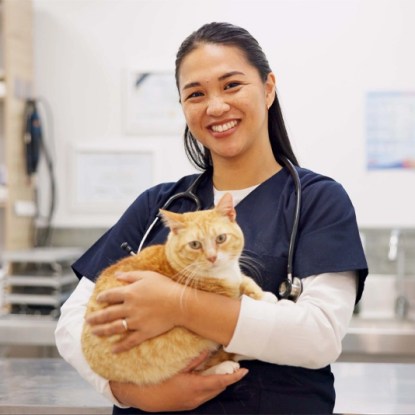
Can a Master’s in Animal Science Help You Prepare for Veterinary School?
Preparing for veterinary school requires more than just meeting prerequisites. For students looking to strengthen their profile before applying to...
Read More about Can a Master’s in Animal Science Help You Prepare for Veterinary School?
Emerging Careers Shaping the Future of Food Science and Technology
The next big shift in food science and technology doesn’t always start in a boardroom. Sometimes it starts with a...
Read More about Emerging Careers Shaping the Future of Food Science and Technology
Hospitality or Business Administration: How to Choose the Right Management Degree
Two degrees. Two very different career environments. If you are deciding between hospitality leadership and general business management, this guide...
Read More about Hospitality or Business Administration: How to Choose the Right Management Degree