What Do You Learn in Hospitality Management?
Great guest experiences are at the heart of hospitality, but there’s a lot happening behind the scenes. In a hospitality management program, you’ll learn how to lead teams, manage operations, understand guest behavior, and make business decisions that keep organizations running smoothly.
Picture this: A hotel is fully booked for the weekend. A restaurant is short-staffed during the dinner rush. An event venue is scrambling after a vendor cancels at the last minute.
Different workplaces. Same challenge. Hospitality leaders need to keep people, operations, and guest experiences moving — even when things don’t go according to plan.
The hospitality industry spans millions of jobs across lodging, food service, tourism, recreation, and entertainment. 1 But no matter where they work, successful hospitality leaders rely on the same core skills: managing teams and operations, understanding guests, and making smart business decisions.
In this guide, we’ll take a closer look at the skills you can learn in hospitality management and how they translate to real workplace situations.
We’ll also explore the different ways you can study hospitality management — from building foundational and advanced knowledge to adding specialized skills in the online Graduate Certificate in Hotel, Restaurant and Tourism Management at NMSU Global Campus.

Hospitality Management Is More Than Great Customer Service
If you’ve worked in hospitality for any length of time, you already know that great service can turn a first-time guest into a loyal customer.
But creating exceptional guest experiences takes more than a friendly smile. Hospitality leaders need to understand the people, processes, and business decisions behind those moments.
Today’s hospitality organizations compete on more than price. Recent research from Deloitte shows that factors like quality, ease of interaction, and loyalty programs influence how customers perceive value and decide where to spend their money. 2 Creating that kind of value requires leaders who can see the bigger picture.
And that’s true across the entire hospitality industry — from hotels and restaurants to resorts, tourism organizations, event venues, and attractions.
Whether you choose hospitality management training, a degree program, or a graduate certificate, you’ll build skills that keep guests coming back.
What Do You Learn in Hospitality Management Programs?
Hospitality management programs teach students how to lead teams, manage daily operations, improve guest experiences, analyze business performance, and make strategic decisions.
There’s a reason hospitality professionals wear so many hats. In a single day, you might coach a new employee, review yesterday’s sales, help plan a community event, or figure out how to keep things running smoothly when someone calls in sick. A good hospitality management program prepares you for all of it.
Leadership and Team Management
People don’t become leaders overnight. It can start with being the person others turn to for help. Before long, you’re training new employees, helping coworkers through challenges, or stepping in when a manager isn’t available.
Hospitality management training helps you expand on those real-world experiences. You’ll learn how to:
- Train and support employees
- Delegate responsibilities effectively
- Build stronger teams
- Make decisions in changing situations
In an industry where recruiting and retaining employees remain a major challenge, strong leadership skills can make a meaningful difference in team performance and workplace culture. 3
Hospitality Operations
Guests see the finished experience. Hospitality leaders see everything that makes that experience possible.
As you study hospitality operations, you’ll explore:
- Staffing and scheduling
- Inventory management
- Quality standards
- Workflow improvement
- Service operations
Understanding the connections between those areas helps you spot inefficiencies, solve problems before they grow, and make decisions that support both employees and guests.
Guest Experience and Customer Satisfaction
Experience matters because guests are not only choosing where to spend their money, but also how they want to feel. In fact, the National Restaurant Association reports that 64% of full-service restaurant customers say their dining experience is more important than the price of the meal. 4
Hospitality classes explore how every interaction, process, and decision shapes how a customer or guest feels. That includes abilities like:
- Understanding customer behavior
- Responding to feedback
- Improving service processes
- Creating consistent guest experiences
Those skills help turn satisfied guests into loyal customers who return and recommend your business to others.
Communication, Problem-Solving, and Cultural Awareness
No two days in hospitality are exactly alike. That’s part of what makes the work rewarding — and sometimes challenging.
A guest is frustrated by a misunderstanding about a reservation. Two employees disagree about how to handle a customer complaint. A manager needs to resolve a conflict between front-of-house and back-of-house staff during a busy shift. Hospitality management coursework doesn’t just prepare you for the days when everything goes right; it helps you navigate the days when it doesn’t.
You’ll strengthen your ability to:
- Communicate with diverse teams and guests
- Navigate challenges under pressure
- Understand different perspectives and expectations
- Make thoughtful decisions in changing situations
These skills help you evaluate options, solve problems, and make decisions that support both your team and your guests.
Financial and Revenue Management
Imagine you’re deciding whether to add staff for a busy holiday season. Hire too few people, and service suffers. Hire too many, and labor costs climb. Good hospitality leaders learn to weigh both sides of those decisions.
Many hospitality programs introduce the financial side of the industry. You’ll learn how to:
- Analyze budgets and financial reports
- Understand pricing and revenue strategies
- Balance operational needs with financial goals
- Use performance data to guide decisions.
You don’t need to become an accountant. But you’ll learn how to use financial information to make smarter operational decisions, justify investments, and support your organization’s long-term success.
Marketing and Tourism Strategy
A guest’s experience begins long before they arrive. It starts when they’re comparing hotels for a family vacation, deciding where to celebrate an anniversary, or choosing between destinations for a long-awaited trip.
Coursework in marketing and tourism strategy explores what influences those decisions. You’ll examine how to:
- Understand guest and traveler behavior
- Develop strategies that attract and retain customers
- Use market research to identify opportunities
- Connect branding and marketing decisions to business goals
Those skills apply across many settings, from promoting a boutique hotel to planning destination events or helping a restaurant stand out in a crowded market. They can help you make informed decisions that grow your audience and your business.
Technology and Data-Driven Decision-Making
Technology is changing how hospitality organizations operate. The American Hotel & Lodging Association’s 2025 State of the Industry report shows how hotels are using new tools like artificial intelligence (AI) to improve operations, personalize guest experiences, and support employees. 5
Hospitality management programs explore the role data, technology, and innovation play in decision-making, including ways to:
- Use technology to improve hospitality operations
- Analyze data to identify trends and opportunities
- Evaluate information to make informed decisions
- Understand how innovation shapes the guest experience
From property management systems to data analytics, today’s hospitality leaders use technology to make better decisions and improve efficiency.
Each of these areas is valuable on its own. Together, they help you see the bigger picture. So, what do you learn in hospitality management? The knowledge and skills to turn your hands-on experience into effective leadership.
Find Your Place at NMSU
If you’re considering NMSU Global Campus, we’ll help you explore online programs.
Connect with us today!
How Hospitality Management Training Prepares You for Leadership
For many, leadership happens one new responsibility at a time. You’re asked to train a new employee. Then manage a shift. Then oversee a project or department.
Formal hospitality management training helps you prepare for those moments and beyond. It gives you a broader understanding of how successful hospitality organizations operate and how leaders make decisions that support both people and business goals.
As your responsibilities grow, so does the way you think about your work. Hospitality management training can help you learn to:
- Connect the work of different departments and understand how they contribute to the overall operation.
- Assess challenges from both a guest experience and business perspective.
- Analyze financial reports, performance data, and customer feedback to guide decisions.
- Navigate communication with employees, guests, vendors, and organizational leaders.
- Strategize around long-term improvements instead of only solving today’s problems.
- Prepare for greater responsibility by building the knowledge and confidence to lead effectively.
These abilities can be developed at different stages of your career. How to study hospitality management depends on the experience and goals you bring with you. You might be gaining foundational knowledge, adding specialized skills, or preparing for advanced leadership opportunities.
Related: Exploring graduate pathways for hotel, restaurant and tourism leadership? Compare a hospitality master’s and an MBA in the NMSU Global Campus Blog. 6
How to Study Hospitality Management
Some professionals are entering the industry for the first time. Others have years of experience and want to strengthen their skills before moving into leadership. If you’re wondering how to study hospitality management, the right path depends on your experience, career goals, and the type of role you want to pursue.
Associate or Bachelor’s Degree: Building Your Foundation
An associate degree can be a starting point for students who want to enter hospitality quickly while building skills in areas like guest service, hospitality operations, food and beverage management, and business fundamentals.
For some, it becomes a pathway to a bachelor’s degree. Others use it to begin working in hospitality.
A bachelor’s degree provides broad knowledge across areas like operations, marketing, finance, and guest experience while helping you develop the skills hospitality employers look for in future managers. 7
If you’re beginning your hospitality career or transitioning into the industry, the online Bachelor of Science in Hotel, Restaurant and Tourism Management (HRTM) at NMSU Global Campus helps you establish that foundation through coursework, paid internships, and hands-on experience in real hospitality settings.
Graduate Certificate: Adding Specialized Skills
A graduate certificate is a practical option for professionals who already have a bachelor’s degree and want to develop specialized knowledge in hospitality management on a more accelerated timeline.
Your undergraduate degree does not need to be in hospitality. Many students use a graduate certificate to transition into a new field, build on their work experience, or prepare for greater leadership responsibilities.
The 100% online Graduate Certificate in Hotel, Restaurant and Tourism Management at NMSU Global Campus is designed for working professionals who want to develop skills in areas like hospitality leadership, operations, marketing, and strategic management without putting their careers on hold.
And if you decide to continue your education, your certificate coursework can be applied toward the online master’s in Hotel, Restaurant and Tourism Management, giving you the flexibility to continue toward a graduate degree at your own pace.
Master’s Degree: Advancing into Senior Leadership
A master’s degree is a smart move for professionals who want to deepen their expertise, expand their leadership capabilities, or prepare for senior management and executive roles. In addition to advanced hospitality knowledge, graduate study often focuses on strategic thinking, organizational leadership, research-informed decision-making, and specialized areas of the industry.
For professionals ready to take the next step, the 100% online Master of Family and Consumer Sciences in Hotel, Restaurant and Tourism Management at NMSU Global Campus offers the flexibility to continue working while developing advanced expertise. Through hospitality coursework in areas like tourism, event management, food and beverage management, and other areas of the industry, students can tailor their studies to align with their career goals.
It can also serve as a natural next step for students who begin with a bachelor’s or graduate certificate in hotel, restaurant and tourism management and want to continue building toward a master’s degree.
Professional Development Courses: Strengthening a Specific Skill
Not every career goal requires a full degree. Some hospitality professionals choose individual courses, workshops, or industry training to strengthen a specific skill, such as revenue management, event planning, or customer experience.
These shorter learning options can help professionals quickly build knowledge in a specific area or stay current with changes in the industry.
The best education path is the one that matches where you are and where you want to go. But before choosing a program, it helps to know whether studying hospitality management is right for you.
Who Should Study Hospitality Management?
Hospitality management can be a great fit for people who enjoy working with others, solving problems, and creating experiences that leave a lasting impression. But you don’t have to follow one specific career path to belong in this field. Hospitality professionals come from many backgrounds, and the skills you build can apply across hotels, restaurants, tourism organizations, events, and other guest-focused industries.
You may want to study hospitality management if you’re:
- Ready to move into leadership: You want to manage teams and take on greater responsibility.
- Changing careers: You want to transfer your existing skills into hospitality.
- Expanding your current role: You want stronger business and management knowledge.
- Interested in creating quality experiences: You enjoy helping people and solving problems.
Hospitality management attracts people with different backgrounds, goals, and career paths. It also comes with a few common misconceptions that could stand in the way of understanding the opportunities available to you.
What People Can Get Wrong About Hospitality Management
Hospitality is an industry people experience every day, which means many of us think we already understand what it takes to succeed in it.
But working in hospitality and leading in hospitality are two different things. Behind every memorable guest experience is a complex business built on strategy, operations, teamwork, and thoughtful decision-making. Understanding those differences can help you see where hospitality management skills can take you.
Hospitality Management Goes Beyond Hotels
When many people hear “hospitality management,” they immediately think of hotels. And while hotels are an important part of the industry, they are only one piece of a much larger field.
Hospitality professionals also lead in restaurants, resorts, event venues, tourism organizations, attractions, convention centers, and many other businesses focused on creating experiences for guests and customers. The experience you gain — like managing operations, leading teams, and understanding customer needs — can be applied across many different settings.
Hospitality Leadership Is About Business, Not Just Service
Great service is at the heart of hospitality, but successful hospitality organizations require much more than friendly interactions.
Leaders in this field make decisions about staffing, budgets, marketing, operations, and long-term strategy, all while keeping the guest experience in mind. Studying hospitality management helps you understand the business decisions behind great experiences and prepares you to contribute beyond the front line.
Understanding what hospitality management really involves can change the way you see your own potential in this field. From building foundational knowledge to developing advanced leadership skills, there are several paths to continue growing in hospitality.
Turn Hospitality Knowledge into Career Growth
Maybe you’ve spent years creating memorable guest experiences, managing daily operations, or supporting a team.
Or maybe you’re ready to bring your skills from another industry into a field where leadership, problem-solving, and people skills matter every day.
The Graduate Certificate in Hotel, Restaurant and Tourism Management at NMSU Global Campus can help you expand on the experience you already have. This 100% online program gives working professionals a flexible way to strengthen their knowledge in areas like hospitality leadership, operations, marketing, and strategic management while continuing to balance their careers and other responsibilities.
With flexible online coursework and a pathway to continue into the online Master of Science in Hotel, Restaurant and Tourism Management, the graduate certificate gives you a way to grow your expertise now while keeping future opportunities open.
If you’re just beginning your journey, the Bachelor of Science in Hotel, Restaurant and Tourism Management offered online at NMSU Global Campus can help you build a foundation with opportunities like paid internships and hands-on experience.
Find Your Place at NMSU Global Campus
Apply to the online Graduate Certificate in Hotel, Restaurant and Tourism Management program at NMSU Global Campus.
Our online application process takes only about 10 to 15 minutes, and your first application is free. 8
FAQ: Hospitality Management Programs
What do you learn in hospitality management?
Hospitality management programs teach you how to lead people, manage operations, and make business decisions that improve the guest experience. Coursework often covers areas like hospitality leadership, customer experience, finance, marketing, tourism strategy, and organizational management.
What skills do you need for hospitality management?
Successful hospitality professionals need a combination of interpersonal and business skills. Important abilities include communication, leadership, problem-solving, decision-making, financial awareness, and knowing how to adapt when situations change.
Hospitality management training can help you strengthen these skills and apply them in real workplace situations.
What are hospitality classes like?
Hospitality classes combine business concepts with real-world industry applications. Students learn how hospitality organizations operate through topics like guest experience, operations, leadership, marketing, tourism, finance, and strategic planning.
Can you study hospitality management online?
Yes, you can study hospitality management online through programs designed for working professionals. NMSU Global Campus offers a 100% online Graduate Certificate in Hotel, Restaurant and Tourism Management as well as master’s and bachelor’s degree programs in hospitality management.
Should I earn a graduate certificate or a master’s in hospitality management?
The right choice depends on your goals and experience. A graduate certificate can work well if you already have a bachelor’s degree and want to develop specialized hospitality knowledge or prepare for new responsibilities. A master’s degree may be the better option if you’re looking to deepen your expertise and prepare for advanced leadership roles.
Some students choose a graduate certificate as a starting point before continuing into a master’s program.
Who should earn a hospitality management graduate certificate?
A hospitality management graduate certificate can be a good choice for professionals who already have a bachelor’s degree and want to strengthen their industry knowledge. It can help career changers enter hospitality, current professionals prepare for leadership roles, or experienced workers expand business and management skills.
At NMSU Global Campus, your undergraduate degree does not need to be in hospitality to apply to the online Hotel, Restaurant and Tourism Management graduate certificate program.
References
1. “Industries at a Glance: Leisure and Hospitality.” U.S. Bureau of Labor Statistics, 7 August 2026.
2. “Reshaping loyalty programs in an era of value seeking.” Deloitte Consumer Industry Center, 12 January 2026.
3. “New report: Staffing growth, enhanced services remain key to hotel success in 2025.” American Hotel & Lodging Association (AHLA), 31 March 2025.
4. “State of the Restaurant Industry 2026.” National Restaurant Association, 11 February 2026.
5. “New report: Staffing growth, enhanced services remain key to hotel success in 2025.” American Hotel & Lodging Association (AHLA), 31 March 2025.
6. “Business Strategy or Hospitality Leadership: MBA vs. HRTM.” NMSU Global Campus Blog, 21 April 2026.
7. “Occupational Outlook Handbook: Lodging Managers.” U.S. Bureau of Labor Statistics, last updated 28 August 2025.
8. “3 Easy Tips to Help You Complete Your Application to NMSU Global Campus.” NMSU Global Campus Blog, 10 July 2026.
About New Mexico State University Global Campus
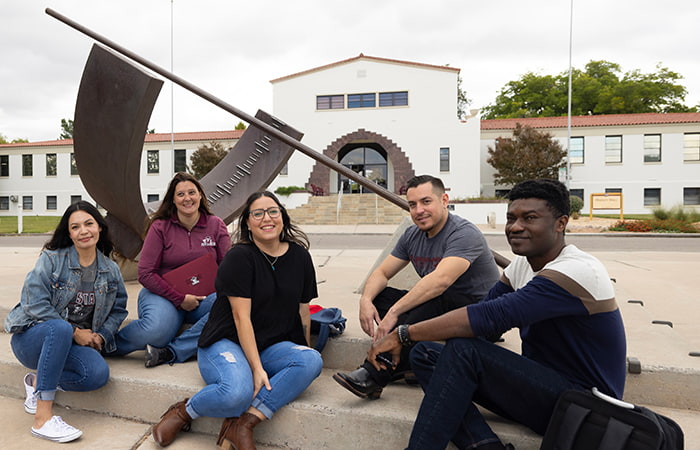
At NMSU Global Campus, our mission is to help prepare the next generation of leaders. We focus on offering high-quality education that spans a multitude of disciplines and career pathways. Whether you’re seeking a degree or certification in teaching, science, engineering, healthcare, business, or others, we provide exciting opportunities that can help shape your future.
New Mexico State University is accredited by the Higher Learning Commission, an institutional accreditation agency recognized by the U.S. Department of Education. Specialized accreditation from other accrediting agencies is also granted for some programs. We offer flexible, career-focused 100% online courses and degree options in New Mexico, across the nation, and around the globe. Start your journey with our accessible and affordable degree options.
Related Resources
Get Your Personalized Program Info
Recent General Posts

Careers for Bilingual Spanish Speakers: 15 Jobs Where Spanish Is a Professional Advantage
Knowing both Spanish and English is a valuable skill you can bring to many workplaces. From business to technology jobs,...
Read More about Careers for Bilingual Spanish Speakers: 15 Jobs Where Spanish Is a Professional Advantage
Your 2027 Guide to Completing the FAFSA Form | NMSU Global Campus
Navigating the college financial aid landscape can feel like traversing a maze with no clear exit. For students at New...
Read More about Your 2027 Guide to Completing the FAFSA Form | NMSU Global Campus
Finish Your Degree: How to Affordably Complete Your Bachelor’s Online
You don’t need to put your life on hold or break the bank to graduate with a quality college education....
Read More about Finish Your Degree: How to Affordably Complete Your Bachelor’s Online
Full-Time vs. Part-Time Online College Degrees: Pros and Cons
Are you looking for an online college degree? Learn about the pros and cons of full-time vs. part-time study to...
Read More about Full-Time vs. Part-Time Online College Degrees: Pros and Cons