How Long Does it Take to Finish an Online Degree?
This guide breaks down how fast you can finish an online bachelor’s or master’s degree. Explore the practical factors that influence your online degree timeline and how completion may be more achievable than you think.
For many adults considering college, the biggest barrier is not motivation — it’s time. Since completing a degree requires a significant investment of both time and money, prospective students weigh those commitments carefully when deciding whether returning to school is realistic.
College graduates are not only more likely to stay employed, but bachelor’s degree holders earn nearly 86% more than workers with only a high school diploma, with advanced degree holders often seeing even greater earning potential.1 While the long-term value is clear, finding the time to earn a degree can feel challenging for some.
Online learning has emerged as a practical solution for learners who want to advance their education while keeping up professional and personal responsibilities. Nationwide, 53.2% of higher education students were enrolled in at least one distance education course in 2023.2 The trend reflects growing demand for flexible academic pathways that fit around work schedules and family commitments.
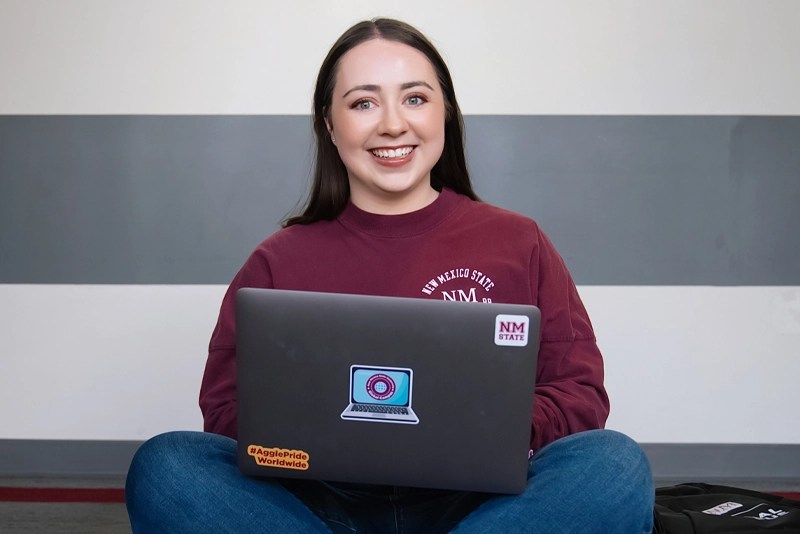
Explore how long it typically takes to complete an online degree — and what factors influence that timeline — can help you plan your academic journey with confidence. If you are seeking a flexible pathway into higher education, New Mexico State University (NMSU) Global Campus offers 90+ high-quality online degree and certificate programs designed with working professionals in mind.
Understand Typical Timelines for Online Degrees
Online degree programs follow the same rigorous academic standards and credit requirements as traditional campus programs. The primary difference is how students engage with their coursework. Instead of attending in-person classes at scheduled times, online students access lectures, assignments, and discussions through digital learning platforms.
This format allows many learners to pursue a degree while continuing to work, care for family members, or manage other responsibilities. For those new to virtual learning environments, this explainer describes how online classes work and offers a helpful overview of what to expect from online coursework.3
Even with that flexibility, most online programs still follow structured academic requirements. Completion timelines are shaped by several factors that influence how quickly students move through their coursework.
Common factors that affect how long an online degree takes to finish include:
- Course load per term: Students who enroll full time often complete programs faster than those taking one or two courses at a time.
- Transfer credits: Previously completed coursework may shorten the path to graduation.
- Program structure: Some online degree programs use accelerated terms (NMSU Global Campus offers 8-week mini-semesters) while others follow traditional 16-week academic calendars.
- Work and family commitments: Many online learners appreciate how self-paced online degree programs help them to balance school with professional and personal responsibilities.
Considering these variables can help prospective students choose a program that aligns with their goals and timeline.
Compare Timelines by Degree Level
While online learning offers flexibility in how coursework is completed, the time required to finish a degree is largely determined by the level of study and the number of required credits. Undergraduate and graduate programs each have different academic expectations, which directly affect how long students typically take to graduate.
Completion timelines can also vary depending on enrollment pace, transfer credits, and program structure. Some students progress steadily through full-time coursework, while part-timers spread classes across additional terms to balance professional and personal responsibilities.
The following timelines reflect common completion ranges for online degree programs.
Online Bachelor’s Degree Timeline
A bachelor’s degree typically takes about four years to complete for students enrolled full-time. For students studying part-time, the timeline may extend to five to six years, depending on course load, transfer credits, and program structure.
Online bachelor’s programs follow similar credit expectations as traditional campus programs, but the format can give students greater flexibility in how they complete their coursework. Many adult learners enroll in fewer classes per term so they can continue working or managing family responsibilities while pursuing their degrees.
What influences how quickly students complete a bachelor’s program:
- Course load: Students who take more courses each term typically progress more quickly.
- Transfer credits: Previously earned college credits may reduce the number of remaining courses.
- Course sequencing: Some required classes must be completed in a specific order.
- Program format: Accelerated course schedules or year-round enrollment can help maintain steady progress.
For students with prior college experience, understanding how to transfer credits to an online college may help reduce the number of courses you need to graduate.4
Online Master’s Degree Timeline
Graduate degrees often require fewer total credits than undergraduate programs. That means many master’s degrees can be completed in about one to two years of full-time study.
Students who enroll part-time typically complete their programs in two to three years, depending on course load and scheduling flexibility. Graduate programs at NMSU Global Campus are designed for working professionals. This allows adult learners to continue earning a living and building career experience while pursuing advanced education.
What influences how quickly students complete a master’s program:
- Course load per term: Taking more credits can shorten the overall timeline.
- Program format: Some programs follow traditional semesters while others offer accelerated terms.
- Professional responsibilities: Many graduate students maintain full-time careers while completing coursework.
- Program requirements: Research projects, internships, or capstone experiences may extend completion timelines.
Flexible online formats can make it easier for professionals to advance academically while continuing to grow in their field.
Identify Factors That Affect How Quickly You Finish an Online Degree
Typical degree timelines offer a useful guideline, but individual completion times can vary widely. Many online students balance coursework alongside professional responsibilities, family commitments, and other obligations that influence how quickly they move through a program.
In fact, more than 67% of undergraduate students work while enrolled, highlighting the importance of flexibility in degree completion.5 For many adult learners, course pacing reflects real-life priorities as much as academic planning.
What influences your progress through an online degree program:
- Enrollment status: Students enrolled full-time typically complete programs faster than those taking courses part-time. However, many online learners intentionally reduce their course load to maintain balance with work or family responsibilities.
- Transfer credits: Previously completed coursework from accredited institutions may reduce the total number of credits required for graduation, shortening the overall timeline.
- Program structure: Some programs include internships, clinical hours, research requirements or capstone projects that extend the time needed to complete all degree requirements.
- Course availability: Required courses may only be offered during certain terms, which can affect how quickly students move through a program.
- Personal and professional responsibilities: Work schedules, caregiving responsibilities and other commitments often influence how many courses students can realistically take each semester.
Understanding these factors can help prospective students develop a realistic academic plan and avoid unexpected delays as they work toward graduation.
How NMSU Global Campus Programs Support Flexible Timelines
Program structure can play an important role in helping students maintain steady progress toward graduation. For learners balancing work, family responsibilities and other commitments, flexible program design can make it easier to continue advancing academically.
NMSU Global Campus offers several program features designed to support students as they move through their degrees while managing other priorities.
Online students may benefit from features such as:
- Flexible enrollment options: Many programs allow students to choose full-time or part-time course loads, making it easier to adjust their pace as personal or professional responsibilities change.
- Transfer credit opportunities: Students who have previously completed college coursework may be able to apply eligible credits toward their degree, potentially reducing the number of courses required for graduation.
- Career-focused program structures: Programs such as the Bachelor of Social Work (BSW) and Bachelor of Business Administration (BBA) pathways are designed to support students in advancing their education while remaining active in their fields.
- Online learning formats built for working adults: Courses are delivered in flexible digital environments that allow students to access lectures, assignments and discussions around their schedules.
- Your own personal Graduation Team: Every NMSU Global Campus student gets an Academic Advisor, a Career Services Coordinator, a Financial Aid Advisor, and a Student Success Mentor. Your Graduation Team will walk with you to graduation and provide career mentorship for what comes next.
Interested in exploring flexible academic pathways? Explore 90+ NMSU Global Campus online programs to find options that fit your schedule, desired timeline for graduation, and career goals.
Explore Ways to Finish an Online Degree Faster
While flexibility is one of the biggest advantages of online learning, many students also want to complete their degrees as efficiently as possible. With careful planning and the right academic support from your Graduation Team, it may be possible to shorten your graduation timeline.
Consider these strategies for moving through your online program more quickly:
- Transfer previously earned college credits: Coursework completed at accredited institutions may count toward degree requirements, potentially reducing the number of classes needed to graduate.
- Maintain a full-time course load when possible: Students who consistently enroll in more courses each term often progress through programs more quickly than those taking lighter schedules.
- Take 8-week courses during summer mini-semesters: Some NMSU Global Campus programs offer year-round enrollment opportunities that allow students to continue making progress between traditional academic semesters.
- Work closely with academic advisors: Advisors can help students plan course sequencing, identify prerequisites early, and avoid scheduling conflicts that could delay graduation.
- Choose flexible online learning formats: Programs designed with working students in mind often provide course structures that support steady progress throughout the year.
At NMSU Global Campus, academic advisors play an important role in helping students identify these opportunities. By mapping out a clear academic plan early in your online degree program, you will better anticipate requirements, stay on track, and work toward graduation as efficiently as possible. We’re here to help you — every step of the way.
Find Flexible Online Degree Options at NMSU Global Campus
Pursuing a degree is an important investment in yourself. Understanding the time commitment involved can help prospective students like you to make confident decisions about their education. While timelines vary by academic program and enrollment status, online learning provides flexibility that allows students to work full-time while progressing toward their academic goals.
For those seeking accessible pathways into higher education, NMSU Global Campus offers flexible online degree and certificate programs designed to support working adults and nontraditional learners. With 90+ programs available across a wide range of disciplines, we offer great opportunities to advance your education and expand your career potential.
References
1. “How does a college degree improve graduates’ employment and earning potential?” Association of Public Land-Grant Universities, accessed 9 March 2026.
2. Bay, J. “Distance Education Enrollment Surges Nationwide.” Inside Higher Ed, 15 January 2026.
3. “How Do Online Classes Work? A Guide to Online Learning at NMSU Global Campus.” NMSU Global Campus Blog, 5 May 2025.
4. “A Clear Path to Transfer Your College Credits to an Online Program.” NMSU Global Campus Blog, 8 December 2025.
5. Taylor, E. “Understanding Working Students: The Impact of Work on College Success.” Trellis Strategies, July 2025.
About New Mexico State University Global Campus
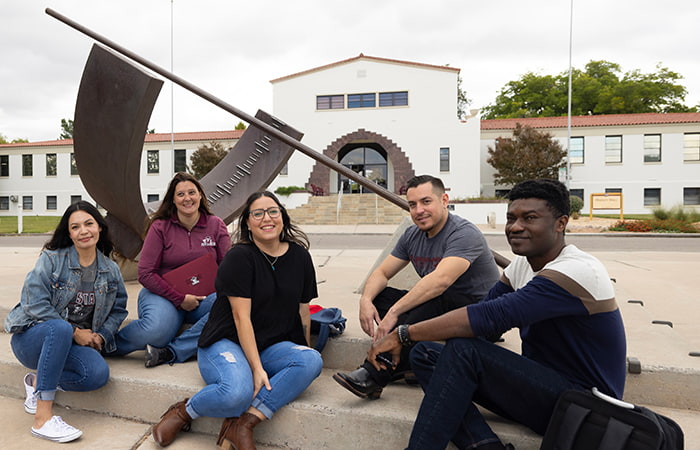
At NMSU Global Campus, our mission is to help prepare the next generation of leaders. We focus on offering high-quality education that spans a multitude of disciplines and career pathways. Whether you’re seeking a degree or certification in teaching, science, engineering, healthcare, business, or others, we provide exciting opportunities that can help shape your future.
New Mexico State University is accredited by the Higher Learning Commission, an institutional accreditation agency recognized by the U.S. Department of Education. Specialized accreditation from other accrediting agencies is also granted for some programs. We offer flexible, career-focused 100% online courses and degree options in New Mexico, across the nation, and around the globe. Start your journey with our accessible and affordable degree options.
Get Your Personalized Program Info
Recent General Posts

What Is Microlearning and Why Is It Changing Higher Education?
Microlearning offers learners faster, more flexible ways to build targeted skills while still working full-time and balancing life’s other demands....
Read More about What Is Microlearning and Why Is It Changing Higher Education?
8 Most In-Demand General Skills Employers Want in 2026
As AI technology changes the world of work, the skills that drive career growth are shifting. Employers now prioritize candidates...
Read More about 8 Most In-Demand General Skills Employers Want in 2026
Starting College Online After High School
Not every high school graduate takes the same route into college. With online college options, there are more flexible pathways...
Read More about Starting College Online After High School
Online Degrees for Military and Veterans: What to Know Before You Apply
Military service builds discipline, leadership, and technical skills, but turning that experience into a civilian-ready credential can take a deliberate...
Read More about Online Degrees for Military and Veterans: What to Know Before You Apply